Manchester United Crisis 2.0: Manchester United’s biggest problem is no longer losing football matches. The real crisis is that the same weaknesses continue appearing regardless of the opponent, the manager, or the millions spent rebuilding the squad.
The defeat against Hull City was supposed to be a routine Premier League assignment.
Instead, it became another uncomfortable reminder that Manchester United’s problems are deeper than one bad performance.
A newly promoted side walked into Old Trafford, showed greater organisation, greater hunger and a clearer tactical identity — and left with a historic victory.
For United supporters, the painful question is not:
“Why did Manchester United lose to Hull?”
The bigger question is:
“Why does Manchester United keep losing in the same way?”
Because this defeat represents something larger.
It represents the unfinished rebuild of one of football’s biggest institutions.
Manchester United Crisis 2.0: Hull City’s Victory Was A Warning Sign, Not A Surprise
Football has changed.
The era where Manchester United’s reputation alone intimidated opponents has disappeared.
Thirty years ago, many teams arrived at Old Trafford already beaten psychologically.
Today, opponents arrive believing they can compete.
Hull City demonstrated exactly why.
They were not simply defending desperately.
They had a plan.
They understood:
- When to press.
- Where United were vulnerable.
- How to attack transitions.
- How to frustrate possession.
That is the modern Premier League.
Talent matters.
But structure matters more.
The Old Manchester United Problem: Individual Quality Without Collective Identity
 One of the biggest criticisms of Manchester United in recent years has been the absence of a clear football identity.
Elite clubs usually have a recognisable style.
Manchester City:
Control possession, create overloads, dominate territory.
Liverpool:
High intensity, pressing, rapid transitions.
Arsenal:
Structured possession, defensive organisation, positional discipline.
Manchester United?
That answer has changed too often.
A club cannot constantly rebuild its squad around different ideas.
When the football philosophy changes every few seasons, recruitment becomes complicated.
A player signed for one system may become unsuitable for another.
Tactical Breakdown: Why United Struggle Against Compact Teams
 1. Slow Attacking Development
Against defensive opponents, elite teams need:
- Quick combinations.
- Third-man movements.
- Creative rotations.
United often allow opponents time to organise.
When the final pass arrives, defensive lines are already established.
2. Lack of Midfield Dominance
Modern football is controlled through midfield.
The best teams can:
- Escape pressure.
- Recover possession quickly.
- Control match tempo.
United have often struggled to dominate this area.
When midfield control disappears:
- Defence becomes exposed.
- Attackers receive poor service.
- The team becomes disconnected.
3. Transition Vulnerability
One of United’s biggest weaknesses has been losing possession in dangerous areas.
Against teams that attack quickly, this creates problems.
The modern Premier League punishes hesitation.
Why Promoted Teams Are Different Now
Hull City’s success represents a bigger football revolution.
Promoted clubs today are smarter.
They are using:
Data Analytics
Recruitment is no longer based only on reputation.
Clubs analyse:
- Physical output.
- Pressing numbers.
- Progressive passes.
- Defensive actions.
Tactical Preparation
Smaller clubs study elite opponents deeply.
They know:
- Where stars dislike receiving the ball.
- Which defenders struggle under pressure.
- How to exploit space.
Hunger Factor
Players from promoted teams often have something to prove.
Every match is an opportunity.
Against Manchester United, motivation reaches another level.
The Financial Contradiction: How Can A Rich Club Still Struggle?
Manchester United’s financial power remains enormous.
The club generates massive global revenue.
But football success is not purchased like a luxury product.
Money provides opportunity.
It does not guarantee:
- Chemistry.
- Tactical understanding.
- Squad balance.
- Identity.
This is why clubs with smaller budgets can outperform richer teams.
Brighton and Brentford have demonstrated this through recruitment intelligence.
The Recruitment Question: Buying Players vs Building A Team
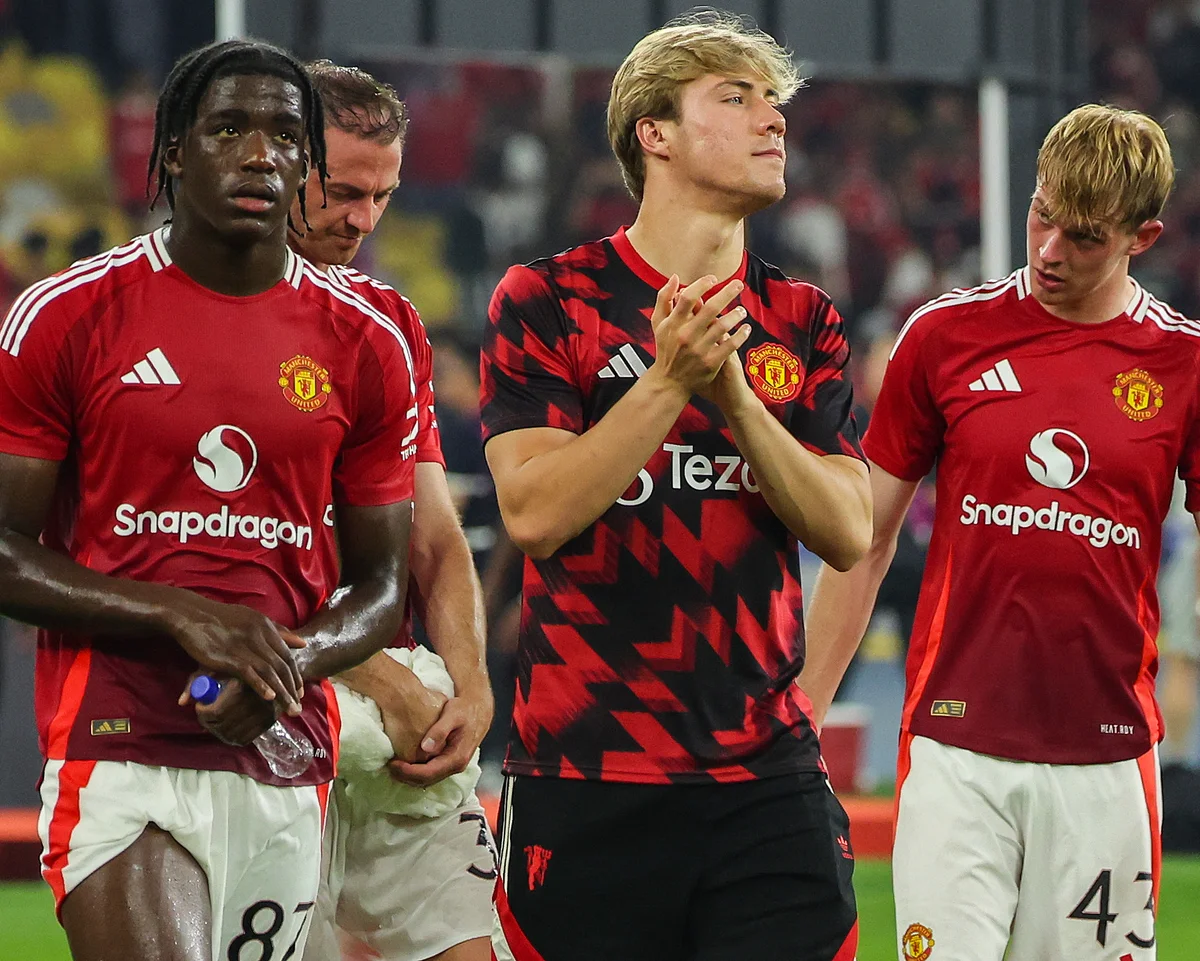 Manchester United’s biggest challenge has been squad construction.
Successful recruitment requires answering:
- Does this player fit the system?
- Does he solve a specific tactical problem?
- Will he improve the team structure?
The biggest clubs do not simply collect talent.
They build profiles.
The Pressure On The Manager
Every Manchester United manager faces the same reality:
The expectation is immediate success.
But rebuilding requires time.
The challenge:
Fans want trophies.
The club needs structural improvement.
Balancing those two demands has become increasingly difficult.
What Happens Next For Manchester United?
The club must address several questions:
1. What Is The Football Identity?
United need a clear answer:
What style defines this team?
Without that answer, recruitment remains uncertain.
2. Can The Squad Handle Modern Premier League Intensity?
Elite football is becoming faster.
Physical preparation and tactical discipline are essential.
3. Can United Build Like Modern Giants?
The future depends on whether United can operate like:
- Manchester City.
- Arsenal.
- Liverpool.
Not just commercially.
Football-wise.
CONCLUSION: Manchester United’s Crisis Is Bigger Than One Defeat
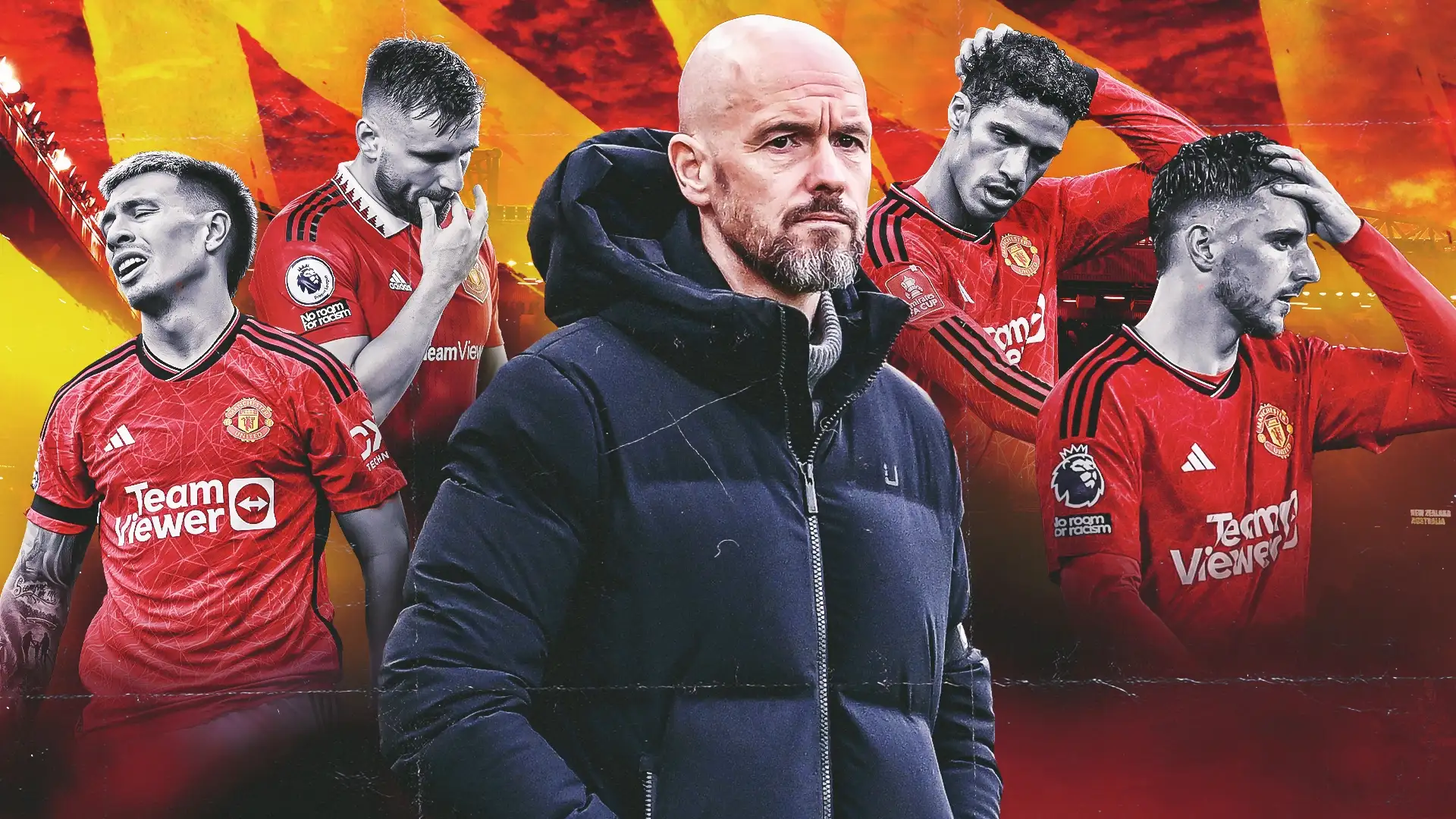 The Hull City defeat was painful because it represented something familiar.
Manchester United did not simply lose a football match.
They exposed the same weaknesses that have followed the club for years:
- Lack of identity.
- Tactical inconsistency.
- Recruitment questions.
- Failure to turn financial power into sporting dominance.
The biggest challenge at Old Trafford is not signing another expensive player.
It is creating a football structure where every decision — from recruitment to tactics — moves in the same direction.
Because in modern football, reputation wins fewer matches than organisation.
Manchester United’s rebuild will not be judged by how much money they spend. It will be judged by whether they finally know what kind of team they want to become.
What do you think: Is Manchester United’s problem the manager, the players, or the entire football structure? Share your opinion with The Football Xtra community.