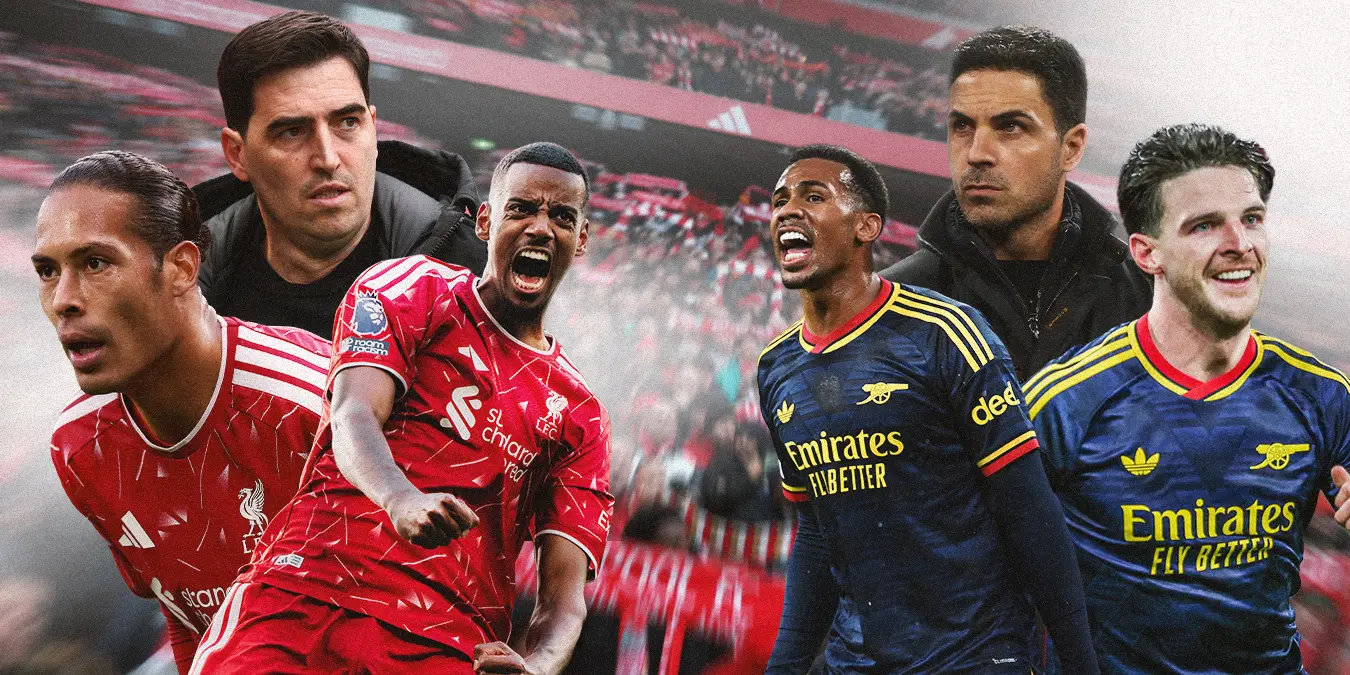
English football is no longer competing for domestic trophies alone. It is fighting for European authority, global commercial influence and the right to define the next generation of football dominance. When Liverpool welcome Arsenal to Anfield, the significance extends far beyond three Premier League points.
The Anfield Power Struggle represents a meeting between two historic institutions with different recent journeys but a shared ambition: to become the leading force in English football and establish themselves among Europe’s elite. Liverpool have the advantage of their famous home ground, while Arsenal arrive with a stronger league position and an impressive defensive record.
There is also a European dimension that makes this encounter particularly interesting. Liverpool have collected nine points from their opening three UEFA Champions League league-phase matches, while Arsenal have seven. Both remain in strong positions, but their performances against European opposition reveal different strengths, weaknesses and possibilities.
Beyond the pitch, the two clubs are also competing in a football economy where commercial revenue, global supporters, broadcasting exposure and Champions League participation increasingly influence sporting ambition.
This is why the Anfield Power Struggle deserves a deeper examination. It is a historical rivalry, a commercial competition and a test of European readiness, all compressed into one Premier League fixture.
Anfield Power Struggle: Why This Match Is Bigger Than Three Points
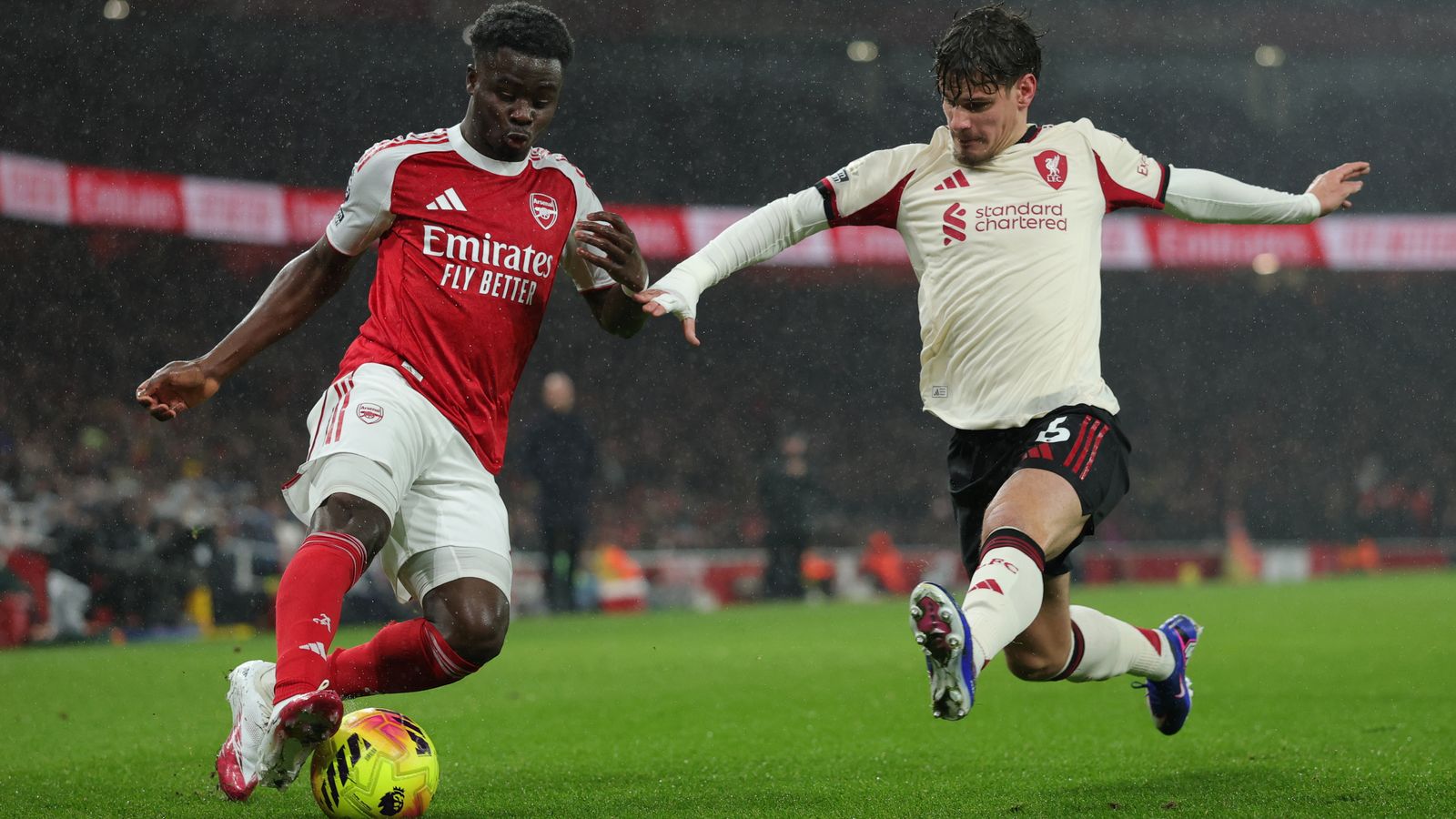 Liverpool and Arsenal have spent generations shaping English football. Their histories include league championships, domestic cup success, European achievements and periods in which they helped define the standards of the English game.
Their current circumstances, however, are different.
Arsenal enter this fixture second in the Premier League table with 21 points from eight matches. Liverpool are fifth with 15 points from the same number of games. The six-point difference gives Arsenal a stronger immediate position, but Liverpool have an opportunity to reduce that gap in front of their home supporters.
The standings make the encounter important, but the wider context makes it more compelling.
For Arsenal, winning at Anfield would demonstrate that their title ambitions can survive one of the most demanding away environments in English football. For Liverpool, victory would provide an opportunity to strengthen their challenge and prevent Arsenal from building a more comfortable advantage.
The Anfield Power Struggle also has implications for the psychological balance between the clubs. A convincing Liverpool performance could reinforce the belief that Anfield remains one of the most difficult destinations for Arsenal. An Arsenal victory, on the other hand, would challenge a historical pattern that has repeatedly frustrated the Gunners.
Neither side can treat this as an ordinary league fixture.
The result will not decide the title in November, but it could influence confidence, momentum and the perception of which team is better equipped to compete over the remainder of the season.
1. The Historical Battle: Arsenal’s Long-Standing Anfield Problem
One of the strongest storylines surrounding this fixture is Arsenal’s difficult recent record at Anfield.
According to Opta statistics published ahead of the match, Arsenal have gone 13 consecutive Premier League away matches against Liverpool without a victory. That sequence includes five draws and eight defeats.
Their last Premier League victory at Anfield came in September 2012, when Arsenal won 2–0.
The historical significance becomes even greater when considering that Arsenal have never gone 14 consecutive league visits to Anfield without a victory. They previously endured another 13-match winless sequence between the 1975/76 and 1987/88 seasons.
Liverpool therefore have an opportunity to extend that record and create another difficult chapter in Arsenal’s relationship with the stadium.
Why Anfield creates a different psychological challenge
Anfield is not simply a venue with a large capacity. Its atmosphere, history and emotional connection with Liverpool supporters make it a particularly demanding environment for visiting teams.
The crowd can influence the intensity of the match, particularly when Liverpool begin strongly, win early duels and force opponents into defensive situations.
For Arsenal, the challenge is to remain composed when Liverpool attempt to turn the atmosphere into an attacking advantage.
They must avoid allowing the crowd to dictate their decisions. Poor passes, unnecessary fouls and rushed clearances can quickly increase pressure.
This is where experience becomes important.
Arsenal’s players must demonstrate that their current ambitions are supported by the mentality required to win difficult away fixtures. They cannot depend exclusively on technical quality or possession.
The Anfield Power Struggle is therefore also a psychological examination of Arsenal’s progress.
The 1989 connection and the importance of history
Liverpool and Arsenal share one of English football’s most famous title-race memories.
In May 1989, Arsenal defeated Liverpool 2–0 at Anfield to secure the First Division championship on goals scored after finishing level on points. Michael Thomas scored the decisive goal in stoppage time, creating one of the most memorable conclusions to an English league season.
That result remains an important reminder that Anfield has not always belonged to Liverpool in the biggest historical moments.
For Arsenal supporters, it represents the possibility of producing another defining performance at a ground where recent league history has been difficult.
For Liverpool, it is a reminder that the rivalry has always been capable of producing extraordinary moments.
The historical narrative gives this fixture a depth that ordinary title-race matches cannot always offer.
2. Commercial Football Power: What Liverpool and Arsenal Are Really Fighting For
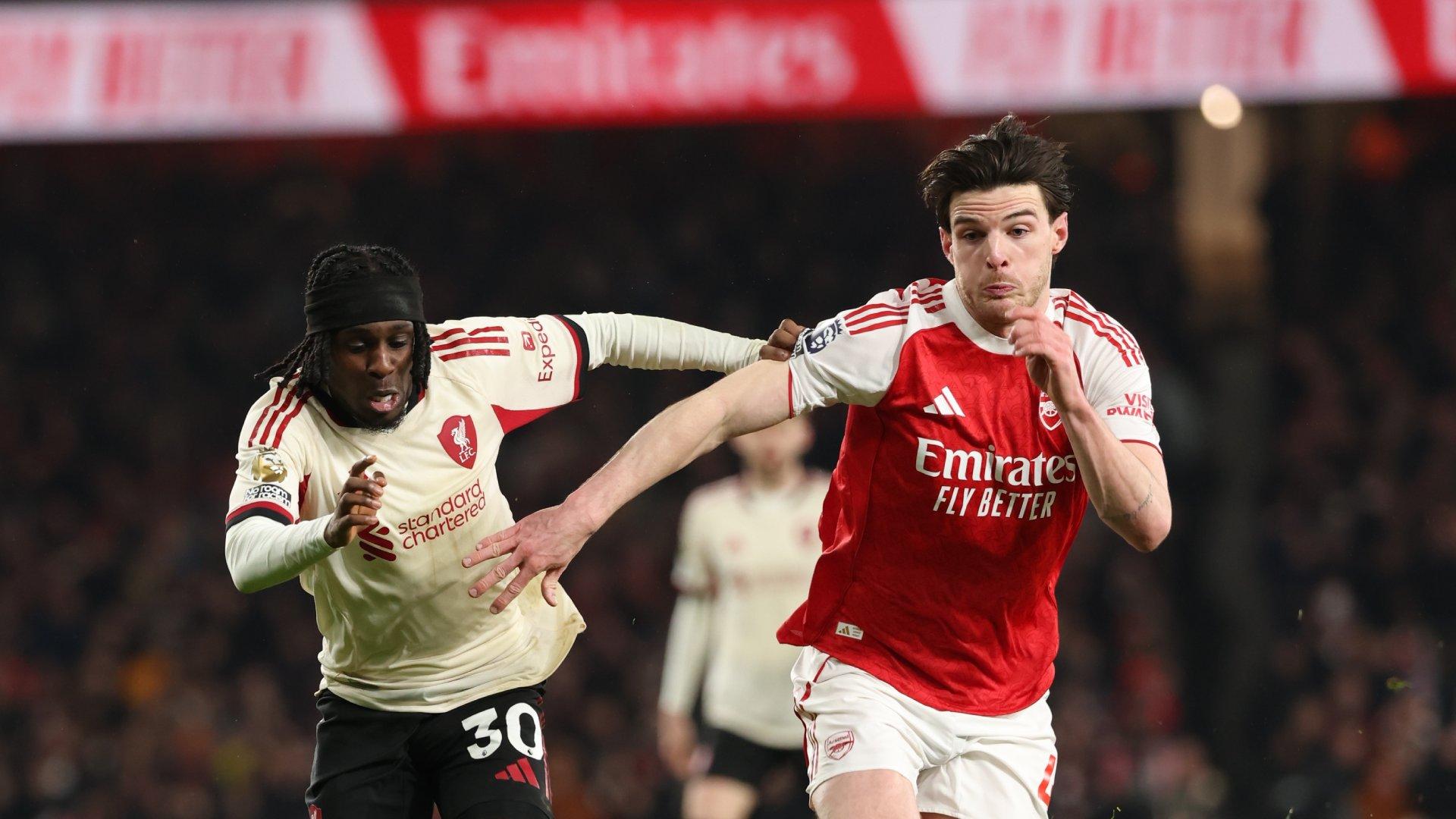 Modern football is not controlled by sporting results alone.
The biggest clubs must compete in several markets simultaneously: television broadcasting, international sponsorships, merchandise, stadium experiences, digital audiences and commercial partnerships.
Liverpool and Arsenal are among the most recognisable football brands in the world, and their commercial ambitions are closely connected to their performances on the pitch.
The latest Deloitte Football Money League provides an important financial comparison.
For the 2024/25 season, Liverpool generated approximately €836 million in revenue, placing fifth globally and making them the highest-earning English club in that edition of the ranking.
Arsenal generated approximately €822 million, placing seventh globally.
These figures demonstrate that both clubs operate at the highest financial level of European football, even though Liverpool recorded the higher total revenue in that reporting period.
Liverpool’s commercial strength and the Anfield advantage
Liverpool’s financial performance was supported by their return to the UEFA Champions League, commercial growth and increased use of Anfield for non-matchday events.
Deloitte reported that Liverpool’s broadcast revenue increased significantly following their return to the competition, while commercial revenue also grew.
The club’s own financial statement for the year ending May 2025 recorded:
- Total revenue of approximately £703 million.
- Media revenue of £264 million.
- Matchday revenue of £116 million.
- Commercial revenue of £323 million.
- Profit after tax of approximately £8 million.
These figures show that Liverpool’s financial strength is not dependent on one source of income.
Commercial operations represent a particularly important part of the club’s business model. Sponsorships, partnerships, merchandise and activities connected to the Anfield brand provide opportunities to generate revenue beyond matchdays.
The Anfield Power Struggle therefore has a business dimension: Liverpool are protecting a global football identity that has been strengthened by sporting success and commercial development.
However, high revenue does not automatically mean high profitability. Liverpool’s financial results also demonstrate how wages, administration and other operating expenses can reduce the final financial return.
Arsenal’s financial development and the importance of Europe
Arsenal have also made significant financial progress.
Their 2024/25 accounts reported total revenue of approximately £691 million. This represented a substantial increase compared with the previous financial year.
The breakdown included:
- Matchday revenue of approximately £154 million.
- Broadcasting revenue of approximately £273 million.
- Commercial revenue of approximately £263 million.
The figures demonstrate the importance of Arsenal’s return to sustained Champions League participation.
European football increases exposure to international audiences, creates additional broadcasting distributions and offers more opportunities to attract commercial partners.
It also strengthens the club’s ability to compete for players who expect to participate regularly in the highest level of European competition.
However, Arsenal’s financial growth has also been accompanied by increased football-related costs. Revenue must therefore be assessed alongside wages, transfer amortisation and other expenses.
The Anfield Power Struggle is not a direct contest to determine which club is financially stronger. It is an opportunity to examine how sporting success, commercial development and financial discipline combine to create long-term competitiveness.
Why the Champions League matters commercially
The Champions League is one of football’s most valuable sporting and commercial platforms.
Participation creates opportunities for clubs to earn UEFA distributions, attract global attention and strengthen their sponsorship portfolios.
The competition also offers an international stage on which players can increase their reputation and market value.
For Liverpool and Arsenal, European success can reinforce commercial growth, but the relationship is not automatic. A club must consistently convert sporting exposure into sustainable commercial opportunities.
This is why their Champions League ambitions should be considered alongside their domestic rivalry.
3. UEFA Champions League Ambitions: Which Club Has the Stronger European Foundation?
 The Champions League provides another important measurement of the progress made by both clubs.
Before this Premier League encounter, Liverpool had won all three of their opening league-phase matches, collecting nine points.
Their results included victories against Atlético Madrid, LASK and Villarreal.
Arsenal had collected seven points from three matches, with victories against Napoli and Lille before drawing 2–2 with Bayern Munich.
The standings placed Liverpool above Arsenal at this stage, but both clubs were positioned strongly in the league phase.
Liverpool: Attacking ambition and European experience
Liverpool’s opening European campaign demonstrated their attacking potential.
They scored 12 goals in three matches, including six against LASK and four against Villarreal.
Those performances suggest that Liverpool possess the attacking capacity to hurt opponents through different phases of play.
However, their defensive record also deserves attention. Conceding seven goals across those three matches indicates that attacking production has not always been accompanied by complete defensive control.
Against Atlético Madrid, LASK and Villarreal, Liverpool showed that they could win high-scoring encounters. The next challenge is proving that they can manage matches against elite opponents without allowing unnecessary opportunities.
The Anfield Power Struggle is relevant because Arsenal offer a different type of test from several of Liverpool’s early European opponents.
Arsenal’s defensive organisation and ability to protect central areas could force Liverpool to be more patient in their attacking construction.
Arsenal: Defensive discipline and the challenge of attacking efficiency
Arsenal’s European campaign has produced a different statistical profile.
They scored six goals and conceded two in their opening three league-phase matches.
Their victory against Napoli demonstrated their ability to manage a difficult away fixture, while the 3–0 win over Lille showed their attacking potential.
The 2–2 draw against Bayern Munich was particularly important because it tested Arsenal against one of Europe’s most experienced clubs.
Arsenal’s defensive organisation has also been a major strength domestically. Liverpool’s official pre-match statistics noted that the Gunners had five Premier League clean sheets and had faced the fewest shots on target in the division at that point.
That defensive strength could become decisive at Anfield.
However, Arsenal must also demonstrate that they can create enough opportunities against a high-intensity opponent. Controlling possession is valuable, but it must lead to meaningful attacking production.
The next European tests
Both clubs were scheduled to return to Champions League action on 4 November.
Liverpool were due to face Fenerbahçe away from home, while Arsenal were scheduled to visit Slavia Praha.
These fixtures provide another reason why the Anfield contest matters.
The teams must manage their physical and tactical resources across domestic and European competitions. The ability to rotate players without losing structural quality will be important as the season develops.
The Anfield Power Struggle cannot determine who will win the Champions League, but it can provide useful evidence about the qualities each side possesses.
A team that can control the emotional pressure, protect its defensive structure and create chances against another elite opponent is likely to be better prepared for the challenges ahead in Europe.
4. Tactical Identity: Can Liverpool’s Intensity Break Arsenal’s Defensive Structure?
 The tactical battle could be one of the most important aspects of the match.
Liverpool have the opportunity to use their home advantage to increase the tempo, attack quickly and force Arsenal into uncomfortable defensive situations.
Arsenal, meanwhile, will want to maintain their defensive organisation and prevent Liverpool from creating repeated opportunities through central areas.
Liverpool’s attacking transitions
Liverpool’s most effective route may involve winning possession and attacking before Arsenal can reorganise.
Quick forward passes, movement between the defensive and midfield lines, and runs into the channels could create problems for Arsenal’s back line.
The timing of these movements will be crucial.
If Liverpool attack too quickly without sufficient support, Arsenal may be able to recover possession and exploit the spaces left behind.
If they take too long to move the ball forward, Arsenal’s defensive structure could become difficult to penetrate.
Liverpool must therefore find the balance between intensity and patience.
Arsenal’s midfield control
Arsenal’s midfield structure will be equally important.
Players such as Declan Rice and Martin Ødegaard can influence the game through defensive coverage, progressive passing and the ability to connect midfield with attack.
Liverpool must prevent Arsenal from establishing comfortable possession in central areas.
The battle for second balls could also become significant. Winning loose possession after clearances and aerial duels can determine which team controls the next attacking phase.
Liverpool will want to turn those moments into forward momentum, while Arsenal will seek to use them to slow the game and regain control.
Set pieces could provide the decisive difference
Set pieces are another important area to monitor.
Liverpool’s official pre-match statistics highlighted that three of their previous five Premier League goals against Arsenal had come from set-piece situations.
Arsenal’s defensive organisation will therefore need to be particularly strong when dealing with corners, free kicks and long throws.
The quality of delivery, positioning of blockers and movement of attacking players can create decisive opportunities.
In a match involving two teams with strong defensive structures, one well-executed set piece could make the difference.
5. Premier League Title Race: What Victory, Defeat or a Draw Would Mean
The league table gives this fixture a clear competitive dimension.
Arsenal enter the match with 21 points from eight games, while Liverpool have 15.
A victory for Arsenal would strengthen their position and maintain the six-point gap over Liverpool.
It would also provide an important psychological statement: the Gunners would have demonstrated that they can win at Anfield despite their difficult recent record.
A Liverpool victory would reduce the difference to three points and strengthen the belief that the Reds can challenge near the top of the table.
SEE ALSO: Liverpool vs Arsenal: 5 Crucial Battles That Could Change the Premier League Title Race
It would also give Liverpool an opportunity to use their home form as a foundation for a stronger title challenge.
A draw would preserve Arsenal’s advantage but leave Liverpool with the feeling that an important opportunity had been missed.
The consequences are not limited to the standings.
Results against direct rivals influence confidence, media narratives and the expectations surrounding a club’s season.
For Arsenal, the objective is to demonstrate that they can convert a strong league position into sustained title contention.
For Liverpool, the priority is to show that their attacking quality and home advantage can produce consistency against the strongest opponents.
The Anfield Power Struggle is therefore an important examination of both clubs’ ambitions, even though the title race will remain open regardless of the result.
6. The Global Football Business: Why This Rivalry Matters Beyond England
Liverpool and Arsenal attract audiences far beyond the United Kingdom.
Their global supporter bases make matches between them commercially valuable for broadcasters, sponsors and the Premier League.
The international audience is particularly important because football has become a global entertainment business.
Supporters follow clubs through television, streaming platforms, social media, merchandise and international tours.
A major Premier League fixture can therefore generate attention across several markets simultaneously.
For broadcasters, matches involving globally recognised clubs help strengthen the appeal of the competition.
For sponsors, these fixtures offer visibility among audiences who may not necessarily follow every Premier League match.
For the clubs, international exposure creates opportunities to develop commercial partnerships and increase the value of their brands.
The Anfield Power Struggle illustrates how sporting competition and commercial influence have become closely connected.
However, it is important to distinguish between short-term attention and long-term financial growth.
One victory does not automatically produce a new sponsorship agreement or a dramatic increase in revenue. Commercial development depends on sustained performance, strategic partnerships, fan engagement and effective business management.
That is why both clubs must think beyond the immediate result.
Liverpool want to maintain their position among the highest-earning clubs in the world, while Arsenal are attempting to convert their sporting progress into a more powerful and sustainable financial position.
7. The European Future: What Must Each Club Improve?
 The most important question is not simply which club will win at Anfield.
It is which team has the stronger foundation for competing across multiple competitions.
What Liverpool must improve
Liverpool’s European performances have demonstrated attacking strength, but conceding seven goals in their first three Champions League matches suggests that defensive improvement remains important.
They must improve their protection during attacking transitions and reduce the number of opportunities opponents receive after winning possession.
They must also ensure that their attacking intensity does not lead to unnecessary physical exhaustion during a demanding period of the season.
A strong Champions League campaign requires more than scoring goals. It requires the ability to manage different types of opponents and different match situations.
What Arsenal must improve
Arsenal’s defensive numbers are encouraging, but their European campaign has also shown that they must remain efficient against the strongest opponents.
The draw against Bayern Munich demonstrated their ability to compete, but the next stage requires consistency.
They must find ways to create high-quality chances when opponents defend compactly and reduce their dependence on individual moments of brilliance.
Their difficult Anfield record also presents an important psychological challenge.
If Arsenal want to become one of Europe’s most dominant teams, they must demonstrate that their standards can travel to the most demanding stadiums.
Final Verdict: Is English Football Entering a New European Power Era?
Liverpool and Arsenal are competing for more than a place in the Premier League table.
They are fighting to preserve and expand their positions within an increasingly competitive European football economy.
Liverpool bring a powerful historical identity, a major commercial platform and an impressive opening Champions League record.
Arsenal bring a strong domestic position, defensive consistency and a European campaign that has already included important performances against elite opposition.
The Anfield Power Struggle brings these different strengths together in one significant Premier League encounter.
For Liverpool, victory would reinforce the importance of Anfield and strengthen their domestic ambitions.
For Arsenal, winning would represent a major psychological breakthrough and another step towards proving that their title challenge can withstand the toughest tests.
The commercial story adds another layer. Both clubs understand that sustained sporting success can strengthen global brands, attract investment and create opportunities to compete financially with Europe’s biggest institutions.
But the Champions League remains the ultimate test of their European ambitions.
A club can generate impressive revenue, attract global attention and dominate domestic headlines. To establish itself among Europe’s strongest teams, however, it must consistently deliver on the biggest continental stage.
The final question is simple: will Anfield remain Liverpool’s fortress, or will Arsenal use this occasion to announce that a new era of English football power is beginning?
Share your prediction in the comments and follow The Football Xtra for more historical, tactical and financial analysis of the world’s biggest football competitions.