England’s World Cup heartbreak did not end when the final whistle sounded in Atlanta. Behind closed doors, the defeat reportedly triggered difficult conversations, uncomfortable questions and a challenge to the team’s tactical identity.
Harry Kane and Jude Bellingham have reportedly made their positions clear during an internal England review, raising important questions about Thomas Tuchel’s leadership, the team’s mentality and the direction of the national side.
According to BBC Sport’s report by Sami Mokbel, England’s captain and one of its most influential midfielders were among those who expressed strong opinions during a frank meeting with Tuchel following the 2–1 semi-final defeat to Argentina at the 2026 FIFA World Cup.
The central disagreement concerned England’s approach after Anthony Gordon had given them the lead. Some senior players reportedly believed that the team became too defensive, allowing Argentina to take control instead of continuing to threaten their opponents.
Kane was reportedly forceful in expressing his views, while Bellingham was particularly candid about England’s ability to continue taking the game to Argentina.
The significance of this development goes beyond one disappointing result. It raises a bigger question: are Harry Kane and Jude Bellingham becoming the voices demanding a new football identity for England, and could this moment mark the beginning of a new leadership era under Thomas Tuchel?
For The Football Xtra, this is a story about accountability, tactical ambition and the relationship between a manager and the players expected to deliver success.
1. Harry Kane and Jude Bellingham: Inside England’s Brutal World Cup Assessment
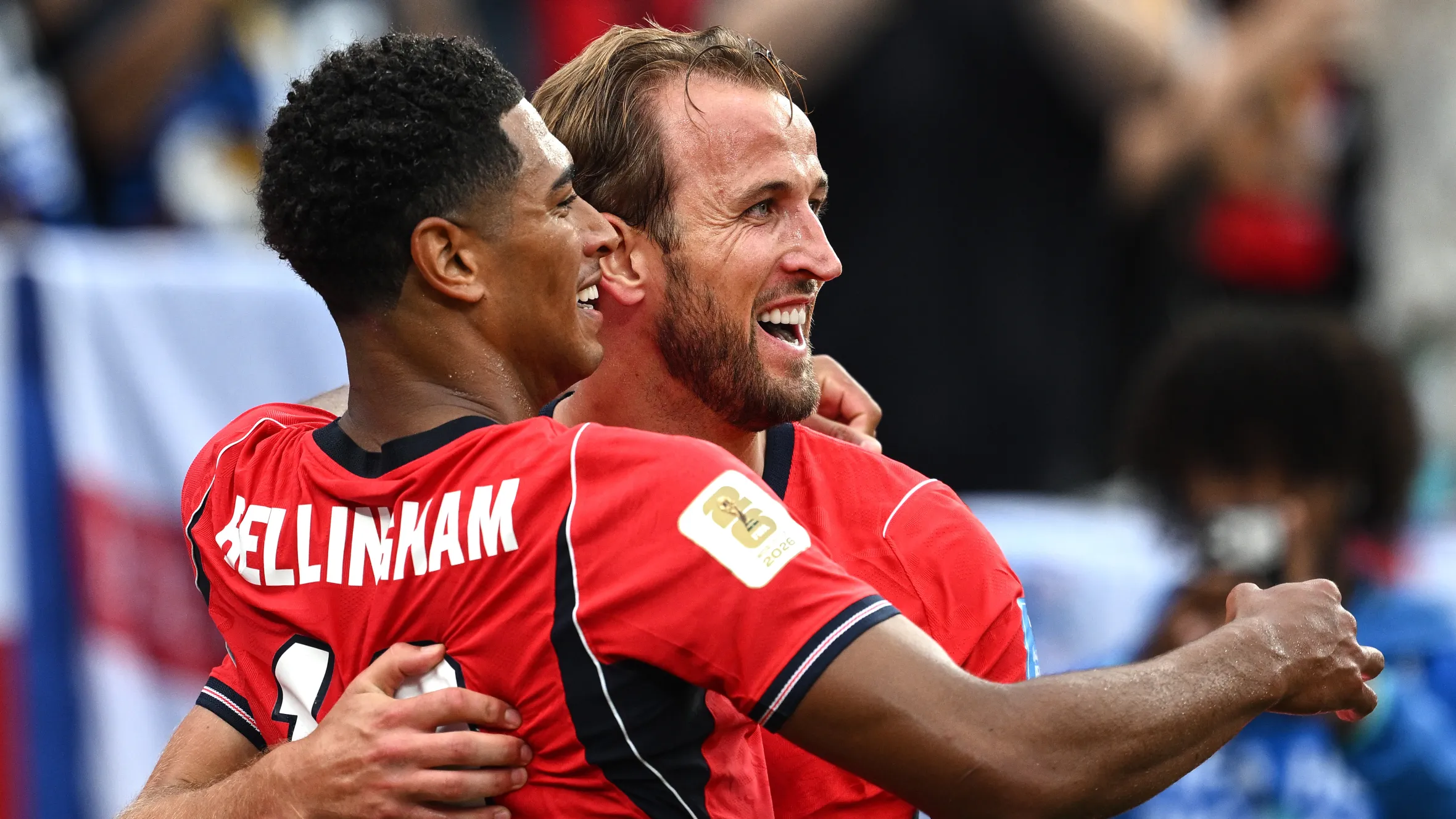 The 2026 World Cup semi-final against Argentina was supposed to be England’s opportunity to reach their first men’s World Cup final since 1966.
Instead, it became another painful chapter in the country’s history of major-tournament disappointment.
England had taken the lead through Anthony Gordon in the 55th minute. With the team protecting a potentially historic advantage, the atmosphere suggested that Tuchel’s side were getting closer to the final.
However, Argentina responded with the experience and quality that have made them one of international football’s most dangerous opponents.
SEE ALSO: Ballon d’Or 2026: Harry Kane’s Stunning Triumph as Mbappé and Yamal Miss Out!
Enzo Fernández equalised in the 85th minute before Lautaro Martínez scored the decisive goal in the 90+2 minute.
Argentina won 2–1, leaving England to reflect on another opportunity lost.
The BBC report now reveals that the disappointment continued behind the scenes.
The Football Association’s review process included gathering the opinions of the players. According to BBC Sport, the process eventually produced a full and frank meeting between the squad and Tuchel.
The defeat against Argentina naturally became the central subject.
Tuchel reportedly highlighted the quality of the opposition as an important reason for England’s failure to protect their advantage. However, that explanation was not universally accepted by the players.
There was reportedly a strong belief within the England squad that they possessed enough individual quality to continue attacking Argentina rather than retreating into a defensive approach.
This disagreement is important because it exposes two different perspectives on how England should compete against elite international opponents.
One approach prioritises risk management and protecting an advantage. The other believes that the best way to defend a lead is to maintain enough attacking threat to prevent the opposition from dominating possession.
The meeting gave players an opportunity to express those concerns directly to their manager.
2. Harry Kane’s Leadership: Why the England Captain Had to Speak Up
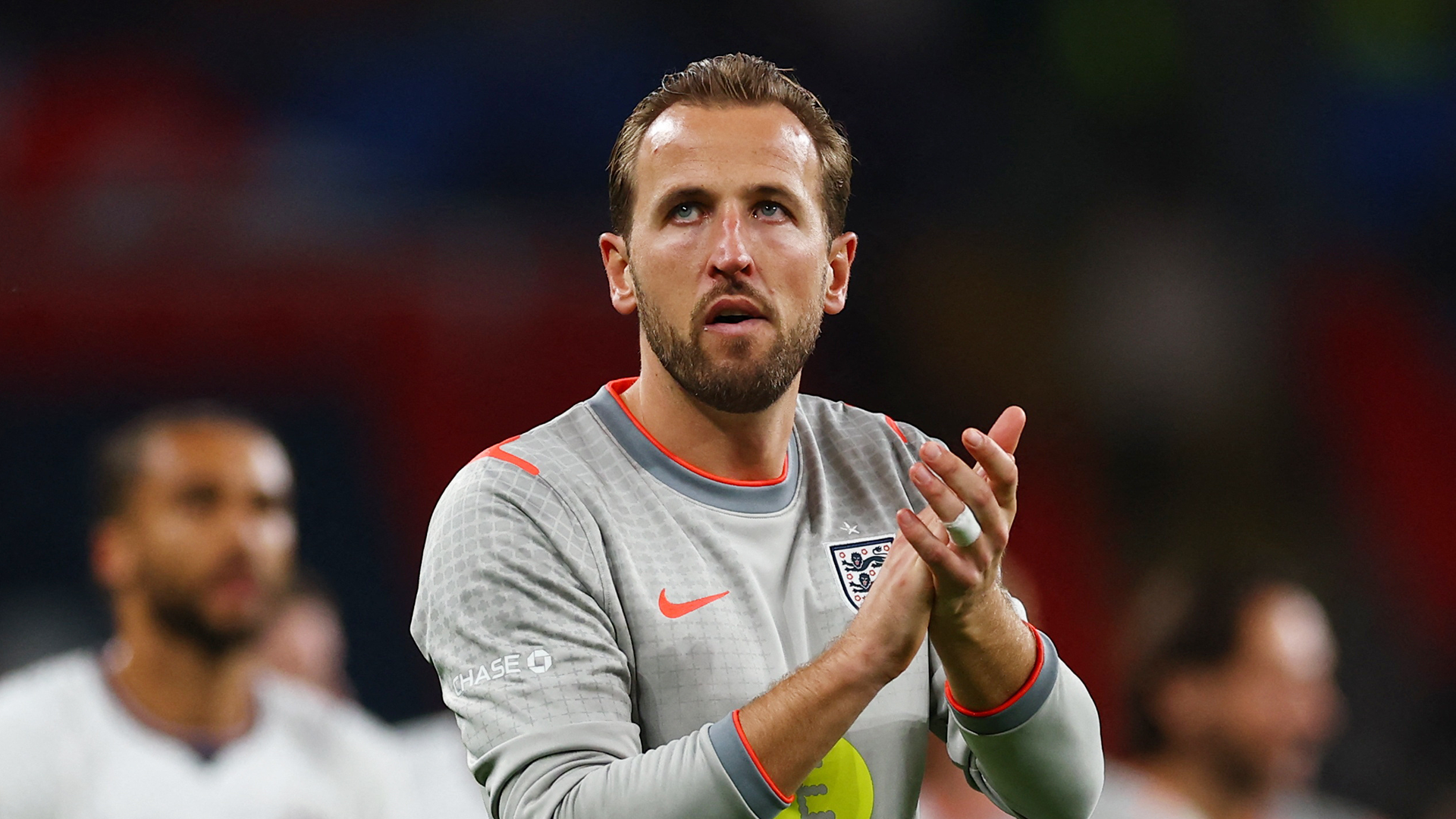 Harry Kane’s position in this discussion is particularly important.
As England captain, his responsibilities extend beyond scoring goals. He is expected to represent the dressing room, communicate with the manager and maintain standards during difficult moments.
His reported strong contribution to the review reflects the importance of that responsibility.
Kane has experienced several painful international disappointments throughout his career. He was part of the England team that lost the Euro 2020 final to Italy and the Euro 2024 final to Spain.
The 2026 World Cup defeat to Argentina added another major disappointment.
However, this latest setback was particularly painful because England had come so close to reaching the final.
Kane’s public reaction immediately after the match already revealed his frustration.
Speaking after the defeat, he explained that England had played well for much of the contest but appeared to retreat after scoring.
His assessment was revealing because it identified the problem that would later become a subject of discussion inside the squad.
At this level, protecting a narrow advantage cannot simply mean abandoning the attacking principles that helped a team take the lead.
A team must understand when to defend deeper, when to press and when to maintain an attacking outlet.
For Kane, the challenge is to ensure that England learn from the experience rather than repeat the same mistakes.
The responsibility of a captain
A successful captain must be prepared to challenge uncomfortable decisions when necessary.
That does not mean publicly attacking the manager or undermining his authority.
Instead, it means creating an environment where honest conversations can improve the team’s performance.
Kane’s reported contribution suggests that he took the opportunity seriously.
The most important issue is what happens after the conversation.
If the captain’s concerns are listened to and translated into better performances, the meeting could strengthen the relationship between the players and the coaching staff.
If the same problems return, however, the discussion risks becoming another example of England identifying weaknesses without solving them.
3. Jude Bellingham’s Growing Influence: Is England’s Next Captain Emerging?
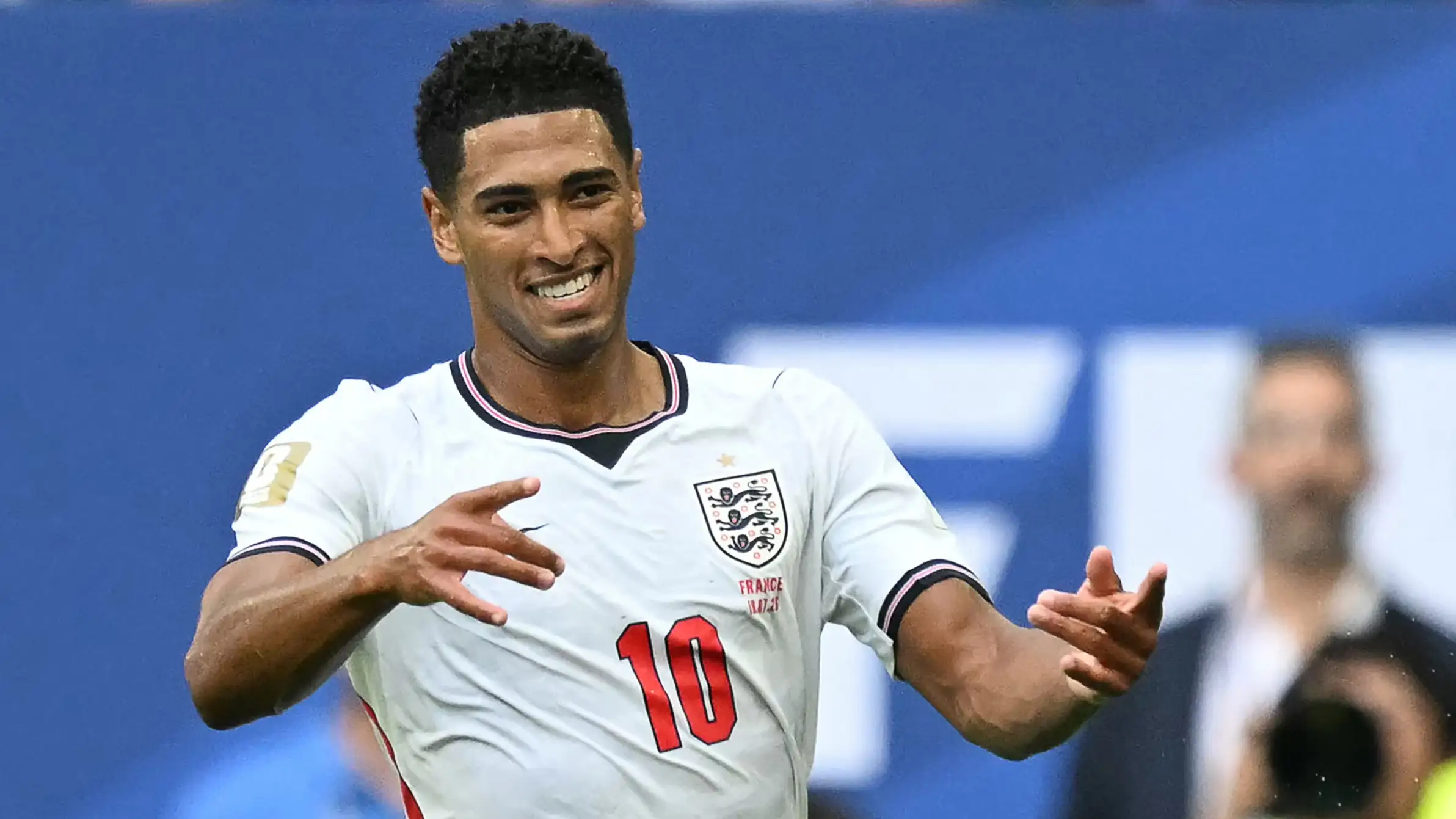 While Kane’s position as captain makes his involvement unsurprising, Jude Bellingham’s reported contribution deserves particular attention.
At 23, the Real Madrid midfielder is already one of the most influential players in the England squad.
His footballing importance is clear, but the World Cup review suggests that his influence may increasingly extend beyond performances on the pitch.
According to BBC Sport, Bellingham was particularly candid when discussing England’s ability to continue attacking Argentina.
His contribution reportedly reinforced the perception that he is becoming an increasingly important voice within the dressing room.
The report also suggests that many people within the England setup believe Bellingham could eventually become the national team’s captain once Kane is no longer in the picture.
That possibility makes the relationship between the two players particularly interesting.
Kane represents experience, consistency and the responsibilities of an established national-team leader.
Bellingham represents a younger generation of footballers who have developed their careers at the highest level of European club football.
His performances for Real Madrid have helped establish him as one of the most prominent English players of his generation.
However, leadership is not automatically earned through reputation, age or individual ability.
It requires responsibility, communication, emotional control and the capacity to influence teammates during difficult situations.
Bellingham’s reported willingness to challenge England’s approach suggests that he is increasingly comfortable expressing his views.
But becoming a captain requires more than being outspoken.
He must demonstrate that he can bring teammates together, maintain discipline and help the team respond when circumstances become difficult.
Kane and Bellingham represent two generations
The most interesting aspect of their relationship is that England potentially have two influential leaders with different experiences.
Kane understands the emotional demands of international football and has spent years carrying the expectations of the national team.
Bellingham brings the energy, ambition and confidence of a player who expects England to compete for the biggest trophies.
If those qualities complement each other, the national team could benefit from a stronger leadership structure.
The challenge is ensuring that influence remains constructive rather than creating competing centres of authority.
4. Thomas Tuchel’s Tactical Decisions: Did England Become Too Defensive Against Argentina?
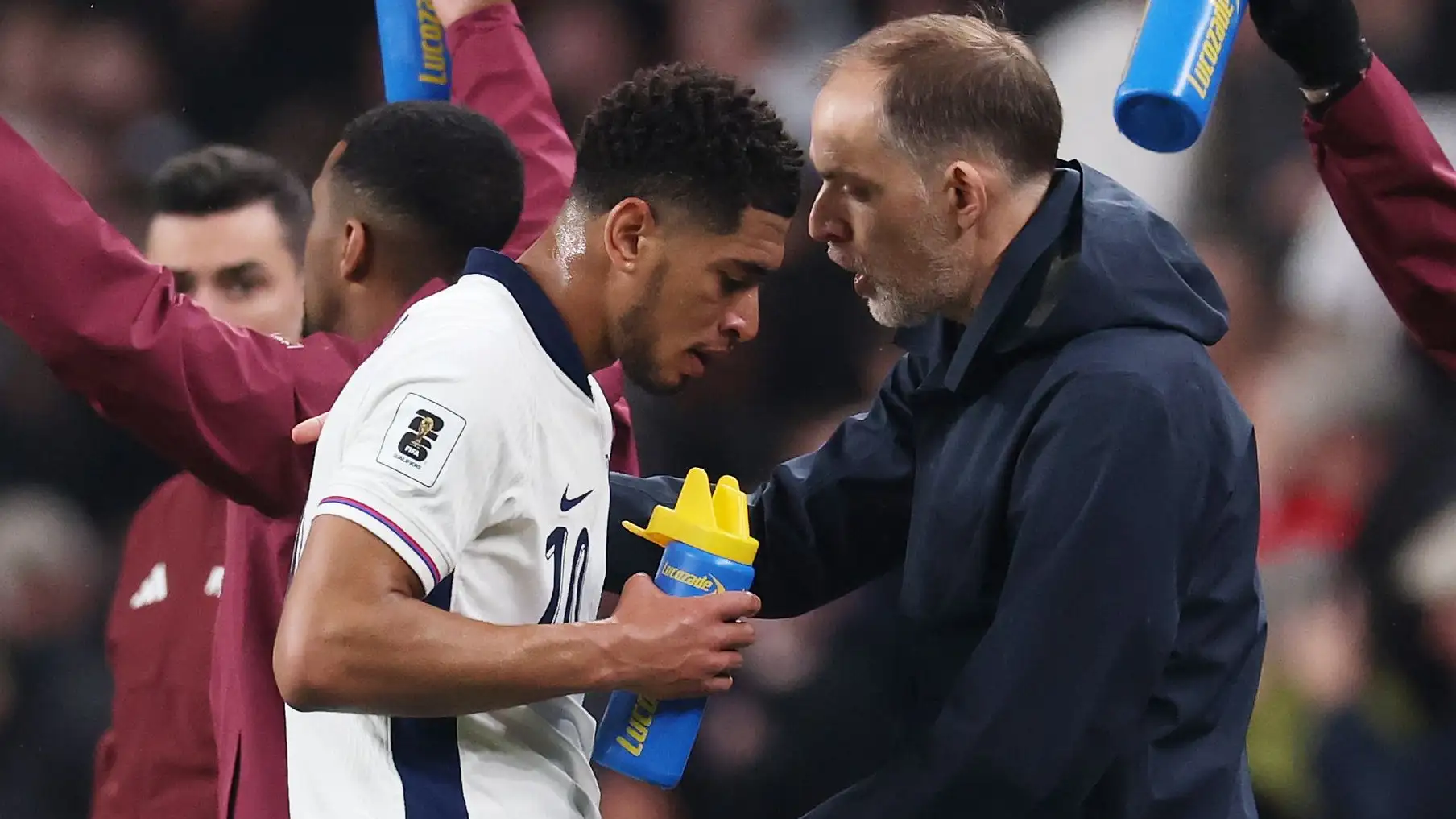 This is arguably the most important football question emerging from the entire controversy.
England’s defeat was not simply about conceding two late goals.
It was about how the team approached the closing stages after taking the lead.
The match statistics provide an important starting point.
According to the Guardian, Argentina finished with 67% possession, compared with England’s 33%. Argentina also registered 15 attempts, while England managed only five.
These figures illustrate the extent to which Argentina controlled the ball and applied pressure.
However, statistics alone do not explain every tactical decision.
England had a clear objective after Gordon’s goal: protect the advantage while preventing Argentina from creating dangerous opportunities.
The problem was that the team gradually lost its ability to threaten the opposition.
When a leading team becomes too passive, it gives the opponent more opportunities to advance players, dominate possession and repeatedly attack the defensive structure.
Argentina possess the technical quality to punish that situation.
Lionel Messi’s influence was especially important. He assisted both Argentina goals, first setting up Fernández before delivering the cross for Martínez’s winner.
England struggled to prevent Argentina from creating dangerous situations in the final stages.
Why attacking threat is part of defending
There is an important tactical principle that England must understand.
Defending a lead does not always require moving every player behind the ball.
A team needs an attacking outlet capable of receiving possession, carrying it forward and forcing the opposition to consider the possibility of a counterattack.
Without that threat, the defending side can become trapped in its own half.
Argentina were able to increase their pressure because England struggled to maintain the same level of attacking threat after taking the lead.
The removal of Anthony Gordon also reduced England’s pace and potential counterattacking outlet, a decision that attracted criticism after the match.
This does not automatically mean Tuchel was wrong to make defensive adjustments.
Managers must consider fatigue, injuries, opposition substitutions and the condition of their players.
However, the result demonstrated the risks of allowing an opponent to dominate the final stages without providing sufficient resistance further up the pitch.
Tuchel’s responsibility
Tuchel must now demonstrate that the World Cup experience has improved his tactical thinking.
His responsibility is not to accept every criticism from his players.
It is to evaluate their arguments, explain his decisions and develop a system that allows England to remain competitive under pressure.
A strong manager should welcome honest discussions while maintaining clear authority.
That balance could determine whether this review becomes a turning point or simply another episode of internal frustration.
5. The Tuchel-Bellingham Relationship: Can Both Leaders Move Forward?
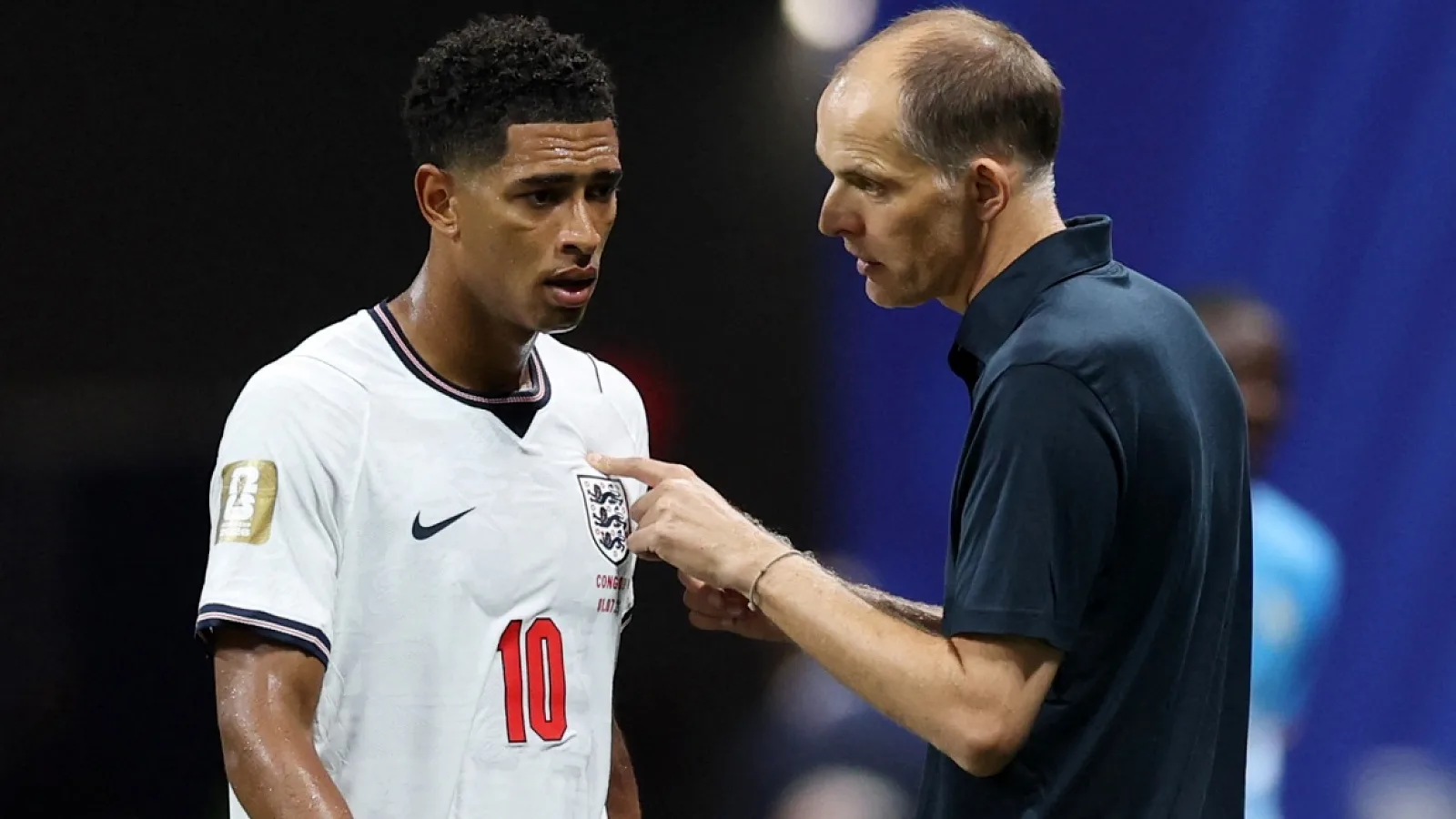 Another important dimension of the story is the relationship between Bellingham and Tuchel.
There had previously been periods of tension and uncertainty surrounding their working relationship.
However, Tuchel has recently indicated that the situation has improved.
Speaking about Bellingham, the England manager acknowledged that their relationship had experienced ups and downs but said they were now in a good place.
He also expressed his admiration for the midfielder, describing him as a top player and an influential member of the squad.
That is an important development.
Bellingham is not an ordinary squad member. His ability to influence matches makes him an important part of England’s tactical plans.
At the same time, Tuchel must ensure that every player understands his responsibilities within the team.
A manager cannot allow individual influence to become more important than collective discipline.
Equally, a manager should not discourage players from expressing legitimate tactical concerns.
The strongest international teams often have experienced players who understand when to question decisions and when to unite behind the manager.
The World Cup review could help establish that balance.
If Tuchel and Bellingham have genuinely improved their relationship, England may have a better foundation for the next stage of the project.
6. England’s Response on the Pitch: Evidence That the Review Worked?
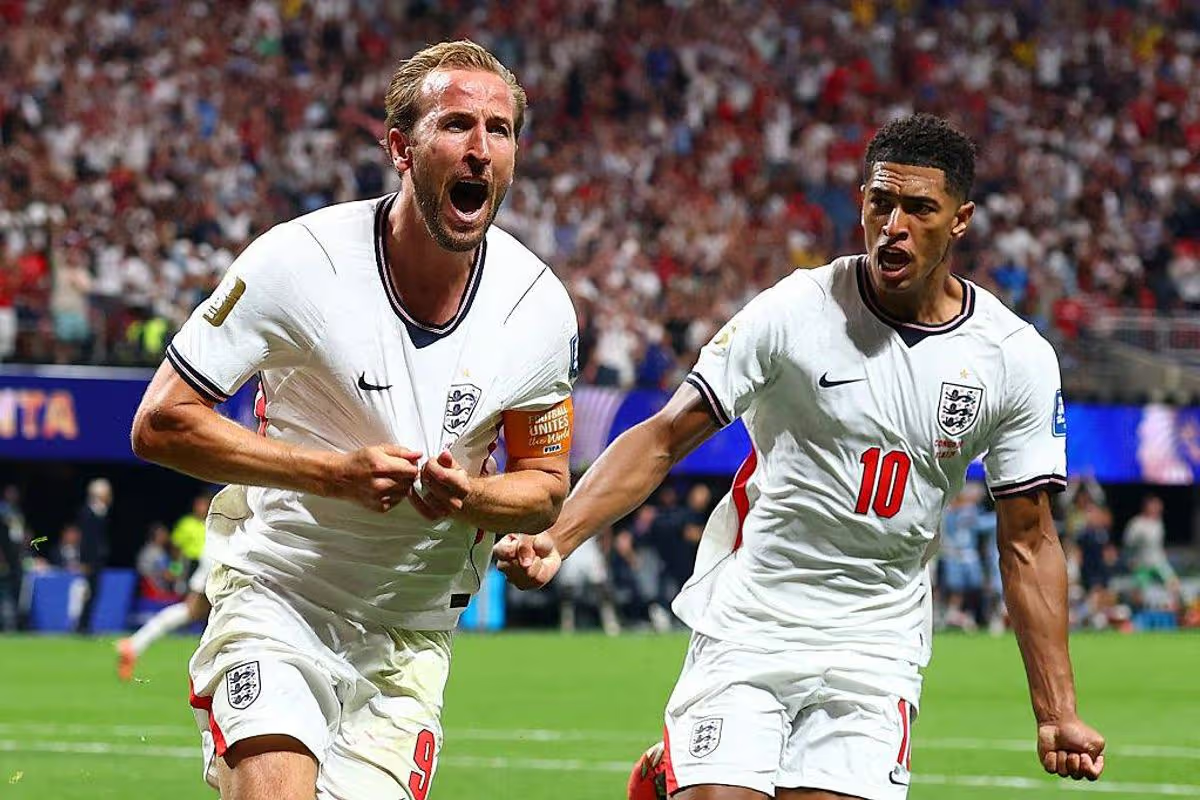 The strongest indication that England may have moved forward is the team’s subsequent response in the Nations League.
After losing 3–2 to Spain, England recorded three consecutive victories:
- Czechia 0–2 England.
- Croatia 0–7 England.
- England 3–0 Czechia.
That sequence produced 12 goals without conceding.
The 7–0 victory over Croatia was particularly impressive, demonstrating England’s ability to combine attacking efficiency with defensive control.
The results suggest that the team has responded positively since the difficult summer.
However, it would be misleading to claim that the internal meeting alone caused the improvement.
Football results are influenced by many factors, including player availability, opposition quality, tactical adjustments and individual performances.
What can reasonably be said is that England have demonstrated a strong competitive response.
The next challenge is sustaining that performance level against the strongest opponents.
Beating weaker or less consistent opposition convincingly is important, but the real test of England’s progress will come when they face teams capable of controlling possession, applying pressure and exploiting defensive weaknesses.
That is where the lessons from Argentina must become visible.
7. A New England Leadership Era: What Happens When Kane’s Time Ends?
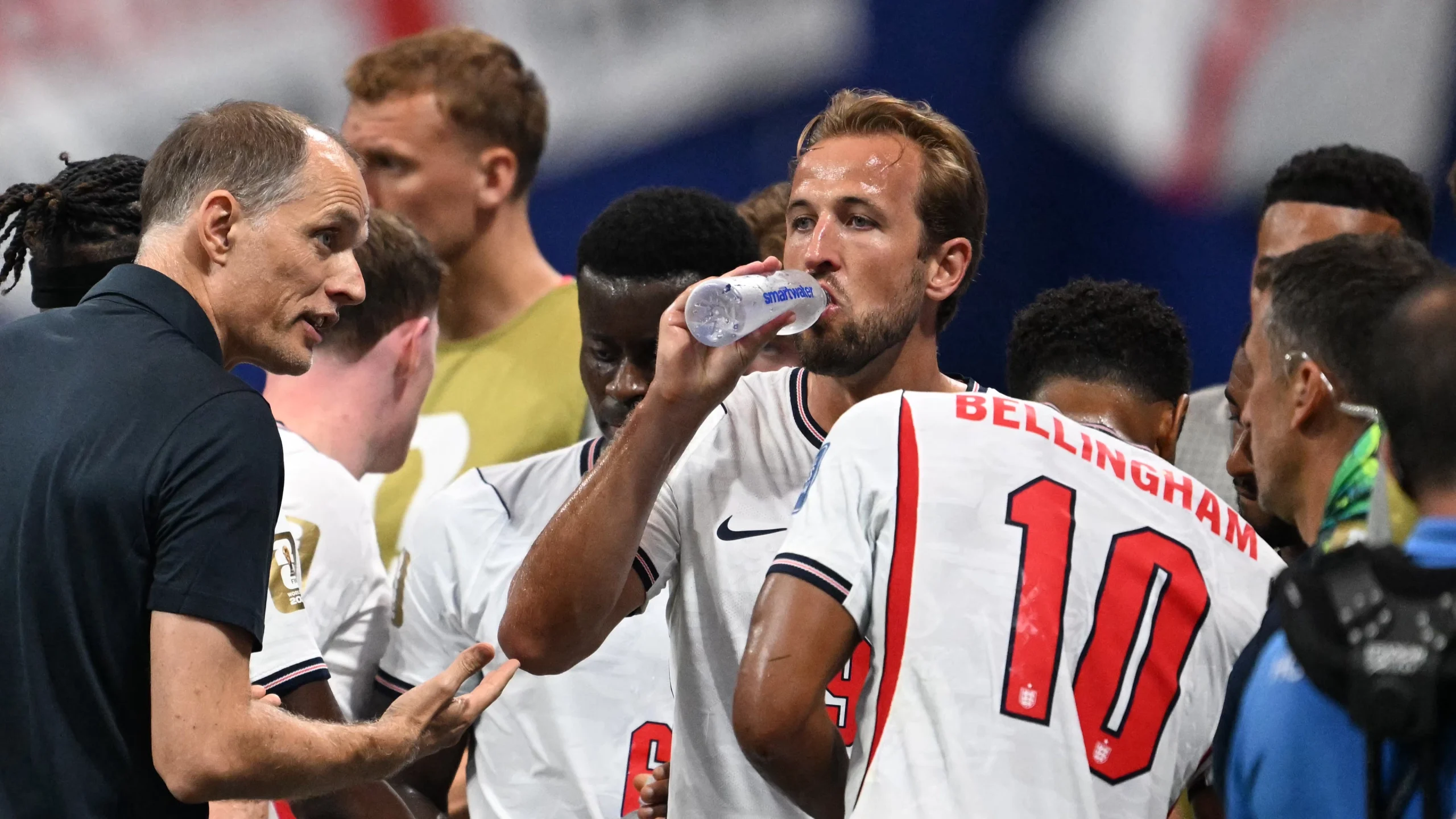 The question of succession is becoming increasingly relevant.
Kane remains England’s captain, but every national-team leadership structure must eventually prepare for change.
Bellingham is an obvious candidate for a future leadership role because of his age, experience and importance to the team.
His reported contribution to the World Cup review strengthens the argument that he is developing into more than just an influential midfielder.
However, England should not rush the process.
A successful transition requires several experienced voices within the dressing room, not simply the appointment of a new captain.
Players such as Declan Rice and other senior members of the squad can also contribute to the leadership structure.
The objective should be to create a team where responsibility is shared.
Kane’s experience remains valuable, and his presence can help younger players understand the demands of representing England.
Bellingham can continue developing his influence without needing to replace Kane immediately.
That gradual transition could be healthier for the national team.
The next generation must deliver trophies
England have repeatedly produced talented generations, but individual quality does not automatically translate into international success.
The country has reached major finals and semi-finals without consistently turning those opportunities into trophies.
The 2026 defeat to Argentina is another reminder that the smallest tactical mistakes can determine the outcome of major tournaments.
England must now develop a stronger collective identity.
That means:
- Maintaining attacking ambition when protecting a lead.
- Improving decision-making under intense pressure.
- Building stronger communication between players and coaches.
- Ensuring that senior players can challenge decisions constructively.
- Developing future leaders without weakening the existing leadership structure.
These are the areas that will determine whether England can finally turn their individual quality into sustained international success.
What Happens Next? Five Questions England Must Answer
The internal review has reportedly given players an opportunity to express their frustrations. That is an important starting point, but it cannot be the final objective.
Tuchel must show that the lessons from the Argentina defeat have influenced his tactical decisions.
Kane must continue leading the team while helping younger players understand the responsibilities of international football.
Bellingham must convert his growing influence into consistent leadership and performances.
Most importantly, England must prove that they can remain aggressive and composed when facing elite opposition.
The biggest lesson from the World Cup semi-final is that protecting a lead should never mean surrendering control of a match.
Argentina demonstrated the importance of maintaining belief, technical quality and attacking ambition until the final whistle.
England must learn from that experience.
Harry Kane and Jude Bellingham have reportedly made their voices heard. Now the responsibility belongs to Thomas Tuchel and the entire squad to turn those conversations into progress.
Whether this becomes the beginning of a new leadership era will not be decided by what happened in a meeting room. It will be decided by what England achieve on the pitch.
Do you believe Jude Bellingham is ready to become England’s next captain, or should Harry Kane remain the central voice of the national team for as long as he is available? Share your opinion in the comments.