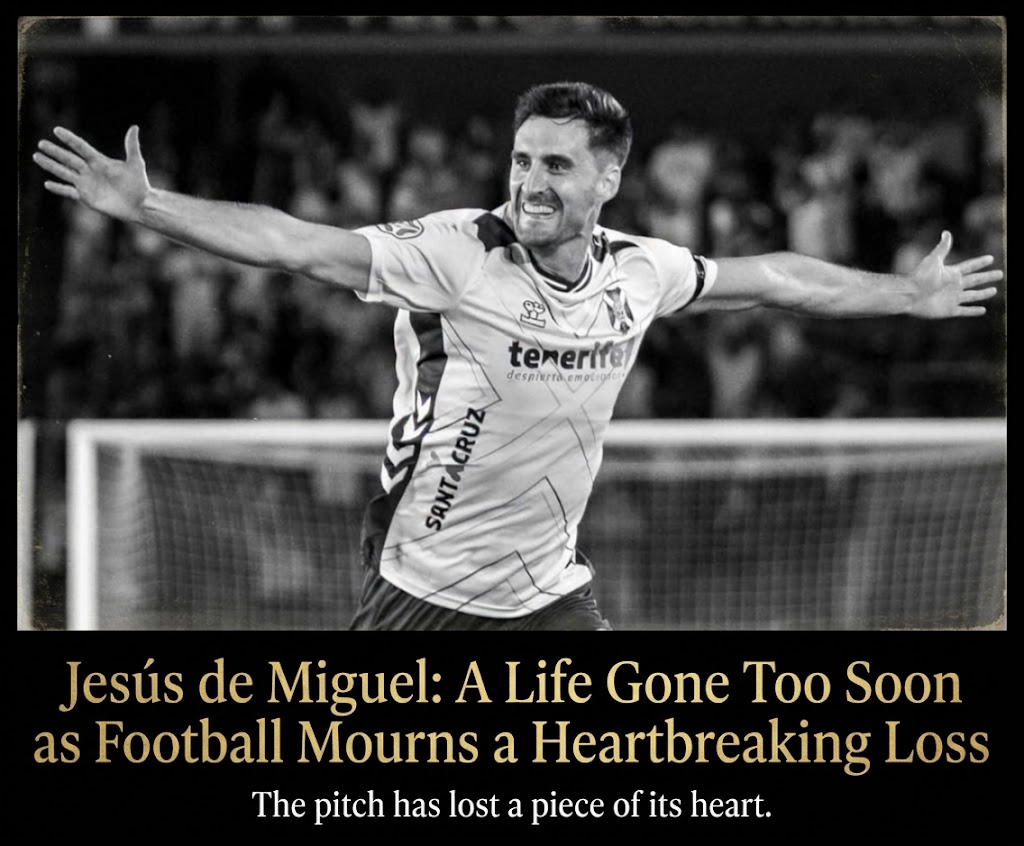
Football is supposed to be a game of dreams, celebrations and unforgettable memories. But sometimes, it delivers a tragedy so painful that even the final whistle feels meaningless.
The football world is mourning Jesús de Miguel, the CD Tenerife striker who died aged 30 on Tuesday, 3 November 2026, following a devastating collision during a Spanish second-division match against FC Andorra.
His death has left teammates, supporters and the wider football community struggling to comprehend a loss that unfolded in the middle of a football match. A player who had travelled through the difficult stages of professional football, continued pursuing his ambitions and represented Tenerife’s colours is now being remembered not for his final appearance, but for the life and career that ended far too soon.
For CD Tenerife, this is more than the loss of a footballer. It is the loss of a teammate, a member of the club’s family and a person whose presence cannot simply be replaced.
The story of Jesús de Miguel is therefore not just about the tragic circumstances of his death. It is also about his journey, the dreams he pursued and the powerful silence that has fallen over Spanish football.
Jesús de Miguel: The Tragic Incident That Shocked Football
 The tragedy occurred on Monday, 2 November 2026, during Tenerife’s Segunda División encounter with FC Andorra at the Estadio Heliodoro Rodríguez López.
The match was finely balanced at 2–2 when a long ball was played towards the middle of the pitch during stoppage time.
De Miguel moved towards the ball as Andorra goalkeeper Jesús Owono came out of his area in an attempt to clear it. During the challenge, Owono’s knee struck the Tenerife forward in the chest.
The collision left De Miguel motionless on the pitch.
Players from both teams immediately called for medical assistance. Medical staff treated him for more than five minutes before he was taken to hospital by ambulance. The match was subsequently abandoned.
De Miguel suffered a cardiac arrest and was admitted to intensive care at the Hospital Universitario Nuestra Señora de Candelaria in Santa Cruz de Tenerife.
Despite the medical team’s efforts, his condition deteriorated. CD Tenerife confirmed his death at 8:00 a.m. on Tuesday, 3 November.
He was 30 years old.
The news brought an end to the hope that had remained among supporters and teammates following the incident. What had initially been a football match became a moment of profound grief for everyone connected to the two clubs.
A Football Journey That Deserved More Time
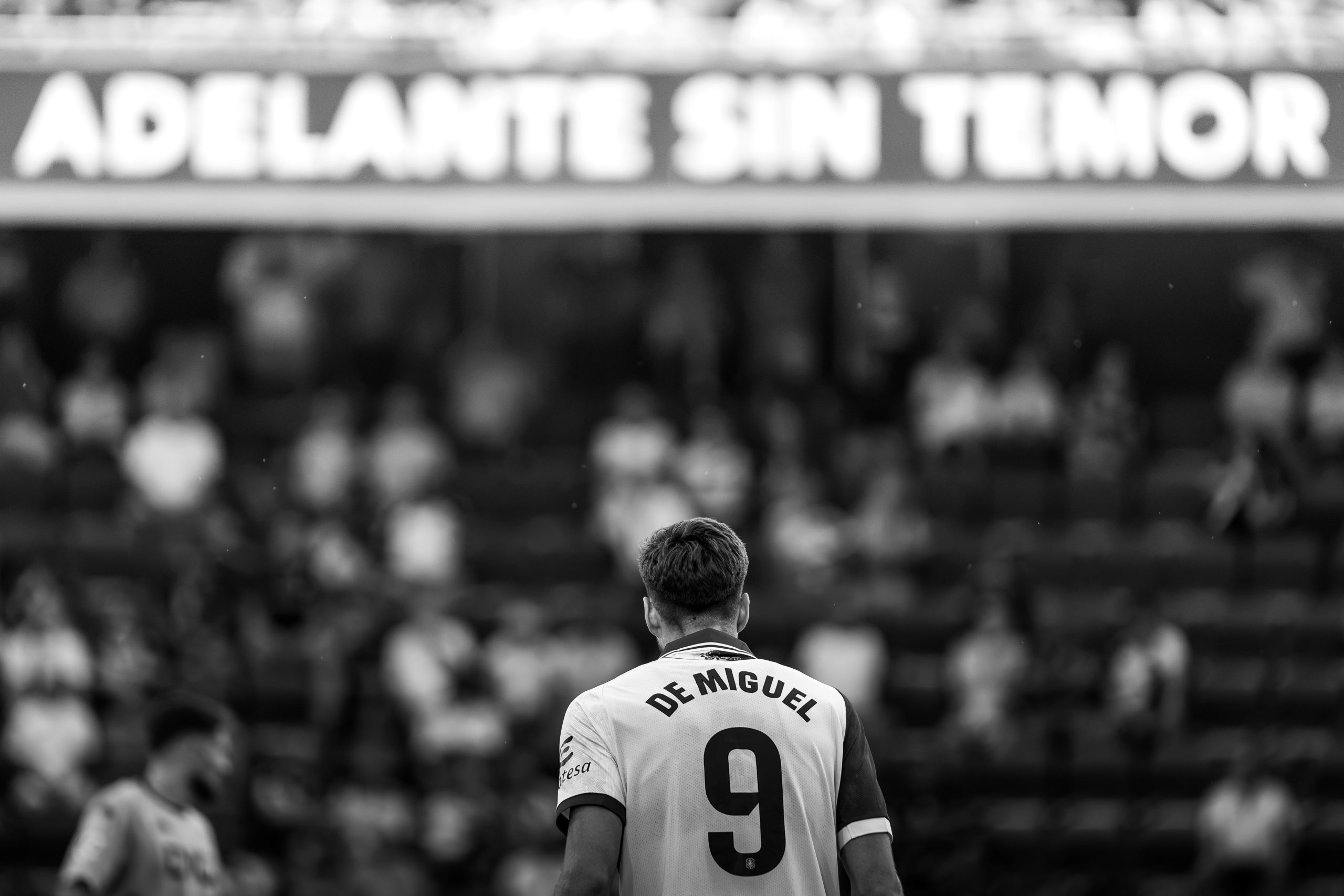 Behind every footballer is a journey that supporters do not always see.
There are years of training, difficult decisions, sacrifices, setbacks and moments when the dream of reaching the professional game appears distant.
Jesús de Miguel’s career reflected that journey.
Born in Madrid in 1996, he began his senior football career with Leganés B in 2015. He subsequently represented several clubs in Spanish football, continuing to work towards establishing himself at a higher level.
His progress included a particularly important spell at Castellón. During the 2023–24 campaign, he scored 16 goals as the club secured promotion to the second division. He made his professional debut for Castellón in August 2024.
That achievement represented an important milestone in a career built through persistence.
He joined CD Tenerife ahead of the 2025–26 season and scored 11 goals during the campaign, contributing to the club’s attacking efforts.
Those numbers tell only part of the story. They represent years of work and the determination required to keep progressing through the demanding world of professional football.
At 30, De Miguel was still part of the game, still competing and still representing a club with ambitions of its own.
His passing means that the football journey he had worked so hard to build will not have the next chapter that his teammates and supporters hoped to see.
CD Tenerife: A Club Left in Deep Mourning
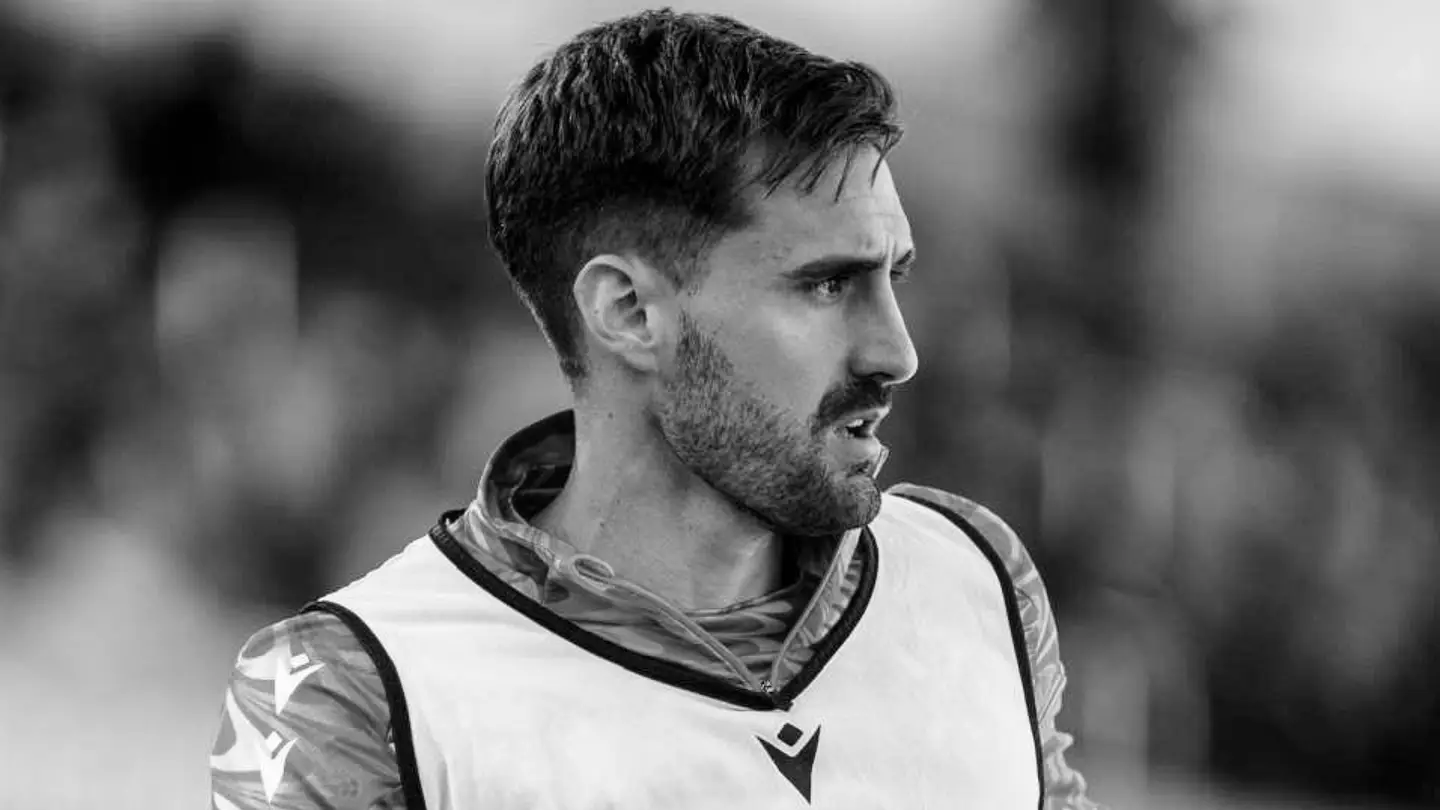 The emotional weight of the tragedy is perhaps most visible at CD Tenerife.
The club’s announcement reflected the disbelief and pain surrounding the news. Tenerife described itself as heartbroken, saying there were no words capable of easing the overwhelming sadness.
It also expressed solidarity with De Miguel’s family, loved ones and supporters.
For a football club, players are often discussed through goals, performances, transfers and results. But moments such as this reveal the human relationships that exist behind the badge.
Teammates train together, travel together and share the pressure of competing. They celebrate victories, recover from defeats and build relationships through the everyday demands of professional football.
When one of those teammates dies, the dressing room becomes a place of grief rather than preparation.
Tenerife’s majority shareholder, Rayco García, spoke of the pain felt across the island. The club also planned a tribute at the Heliodoro Rodríguez López stadium, inviting supporters and residents to pay their respects.
SEE ALSO: New Champions League Era: 10 Players Who Could Define European Football
At the stadium, supporters began leaving flowers, lighting candles and writing messages at Gate 8.
The images described by Spanish news agency EFE were deeply moving: people of different ages gathering in silence, some in tears, others struggling to find words.
The stadium that usually echoes with chants and celebrations had become a place of remembrance.
Jesús de Miguel Death: How Football United in Grief
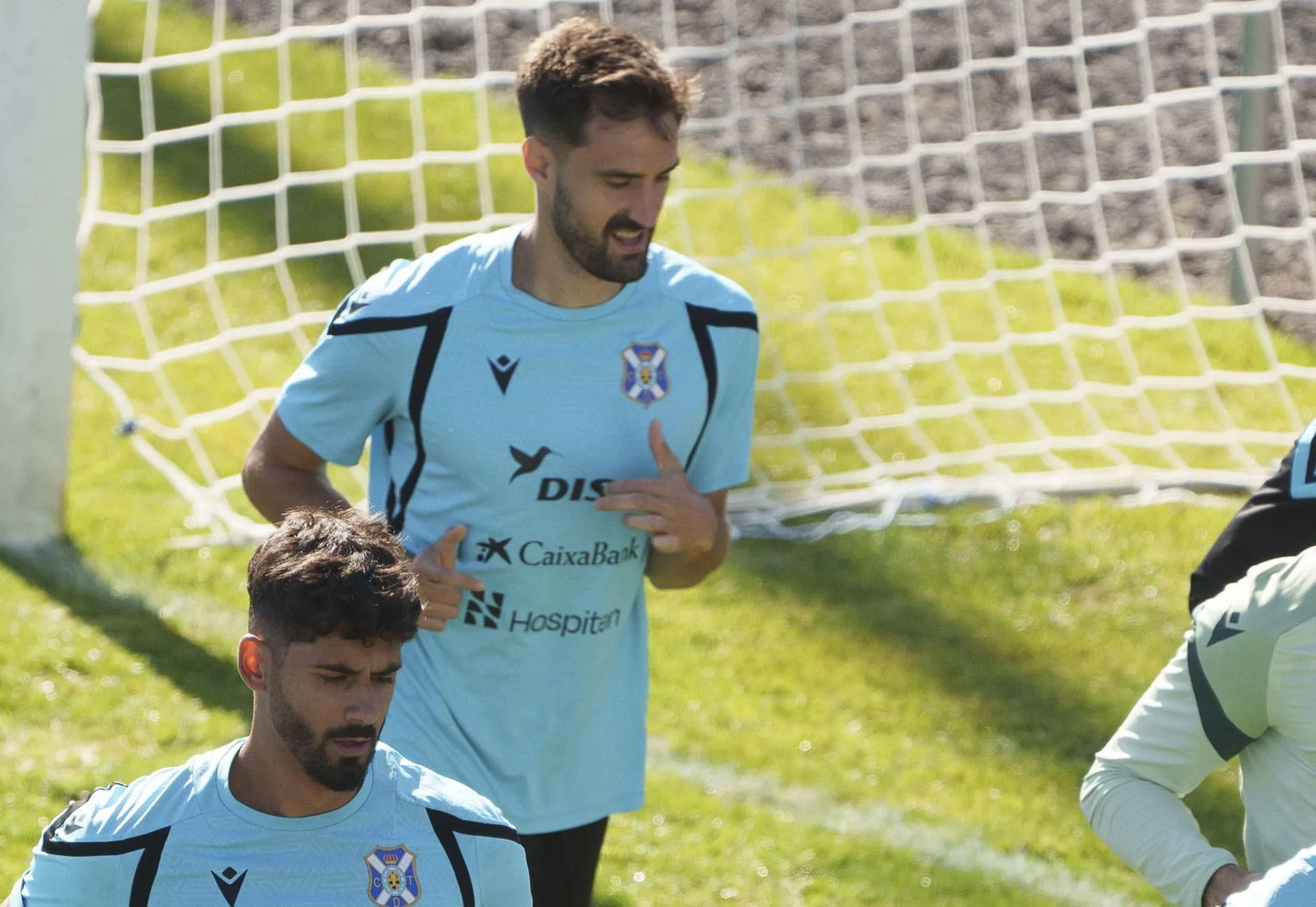 The response to Jesús de Miguel’s death demonstrated that football’s strongest connections can extend far beyond club rivalries.
The Royal Spanish Football Federation expressed its condolences to his family, friends, teammates and Tenerife supporters.
Real Madrid also issued an official statement mourning the passing of the former Madrid-born footballer.
Barcelona joined the tributes, expressing support for his family and loved ones.
UEFA announced that moments of silence would be observed before European matches during the week. The gesture ensured that De Miguel would be remembered across competitions and by supporters far beyond Spanish football.
The Spanish Football Federation also postponed all matches scheduled for Tuesday, including fixtures in the Copa del Rey and Copa de la Reina. An official presentation involving Spain’s Under-21 team was also cancelled.
These decisions reflected the seriousness of the tragedy and the need to stand with the people directly affected.
Even FC Andorra, the club involved in the match, expressed its sadness and requested the postponement of its next fixture against Mallorca.
Andorra president Gerard Piqué also paid tribute to De Miguel.
In moments like these, the usual divisions between clubs become less important. The result, the league table and the next fixture can wait.
A football family has lost one of its members.
The Human Cost Behind a Football Match
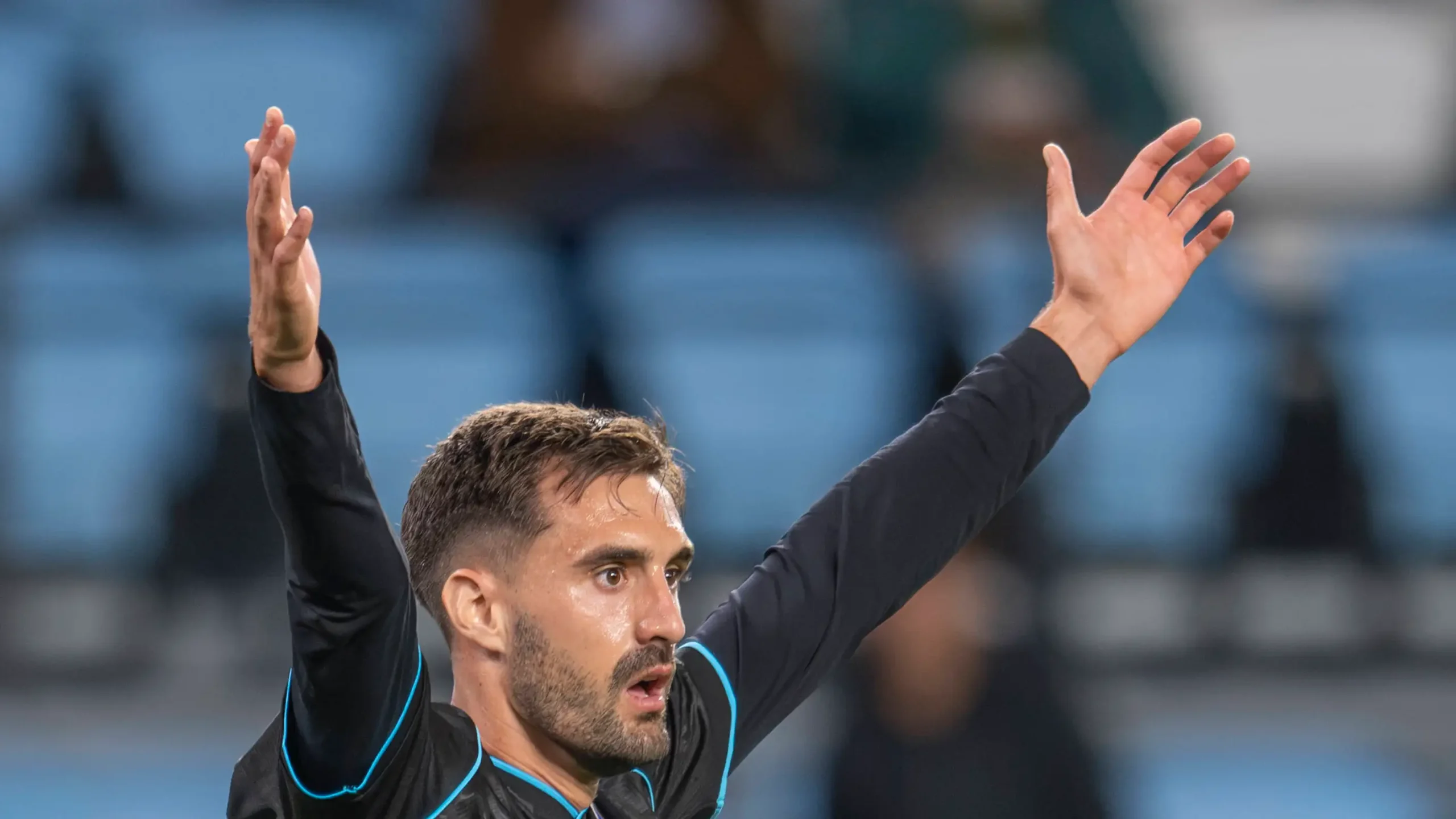 The tragedy also raises difficult questions about the risks that can exist in professional sport.
Football is a physical game. Players regularly challenge for possession, goalkeepers leave their penalty areas to clear dangerous balls, and collisions can occur at high speed.
But the death of De Miguel is a painful reminder that every challenge involves human beings, not simply opponents competing for an advantage.
It is important, however, to distinguish between the known facts and conclusions that have not yet been established.
Spanish police opened proceedings concerning the circumstances of his death. Authorities explained that judicial investigations are routinely initiated in cases involving deaths considered non-natural under Spanish law.
That process should not be treated as proof of criminal wrongdoing.
Andorra goalkeeper Jesús Owono was sent off following the collision. He subsequently faced online abuse, according to Reuters.
The incident must be examined through the appropriate sporting and judicial processes. It would be irresponsible to declare someone guilty before the facts have been established.
There is also an important human consideration: a tragedy of this nature affects more than one family and one dressing room.
De Miguel’s family and teammates are grieving a devastating loss. Owono is also a person who was involved in an incident with life-changing consequences. The public discussion should therefore be guided by facts, compassion and respect rather than online harassment or speculation.
Why Jesús de Miguel’s Story Will Be Remembered
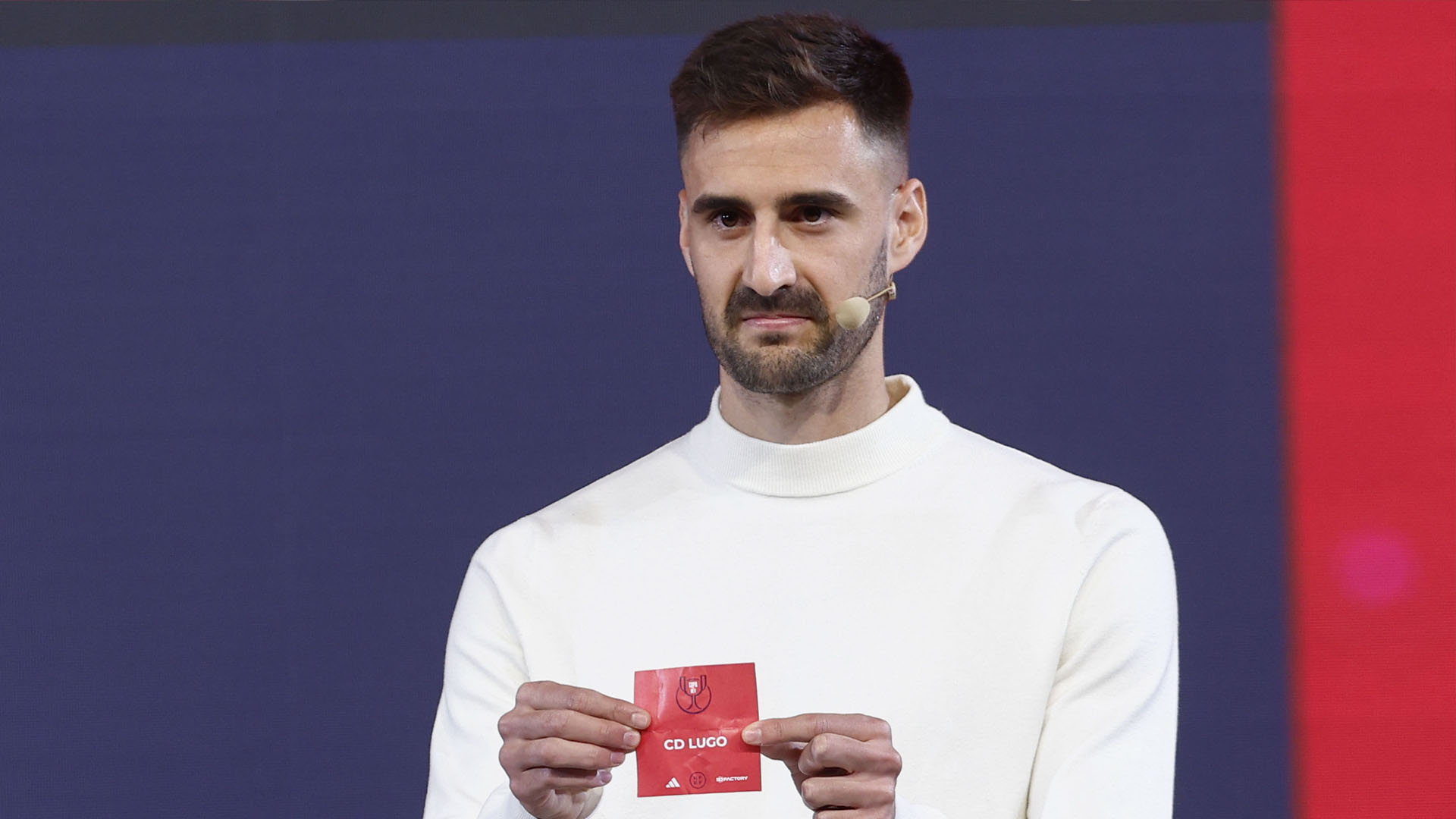 Football history is filled with players remembered for trophies, records, spectacular goals and extraordinary performances.
But some stories remain in people’s memories for a different reason.
De Miguel’s story will be remembered because it reminds supporters that behind every shirt number is a human life.
His journey from youth and reserve football to professional competition showed determination. His 16-goal contribution during Castellón’s promotion campaign and his 11 goals for Tenerife last season were important milestones in that journey.
He was still competing, still contributing and still part of a football project.
The sadness is not simply that a footballer has died. It is that a person with a future, ambitions and relationships has been lost.
For Tenerife supporters, his name will now carry a different meaning. The goals he scored, the matches he played and the memories he created will become part of the club’s history.
For his teammates, the absence will be personal. They will return to training and competition, but the memory of the incident and the loss of someone they shared a dressing room with will remain.
For football as a whole, this tragedy is a reminder that compassion must always come before rivalry.
Conclusion: A Final Whistle No One Was Ready to Hear
The death of Jesús de Miguel at 30 has left Spanish football facing a moment of extraordinary sadness.
His journey through the game was built on persistence, professional ambition and the determination to keep moving forward. He reached the professional level, scored important goals and represented CD Tenerife with the same hopes that drive thousands of footballers around the world.
Now, those dreams have been cut short.
The flowers outside the Heliodoro Rodríguez López stadium, the tributes from major clubs and the moments of silence across European football all reflect the scale of the loss.
But beyond the public statements and ceremonies are the people who knew him personally. They are the ones who must face a future without his presence.
Football will continue. Matches will be played, goals will be scored and trophies will be lifted. Yet for the Tenerife family, this week will always be remembered for a loss that no result can repair.
Jesús de Miguel deserved more time, more matches and more memories. May his name be remembered not only for the tragedy of his final match, but for the football journey and life he lived.
Rest in peace, Jesús de Miguel.
The Football Xtra sends its deepest condolences to his family, friends, teammates, CD Tenerife and everyone mourning his loss.