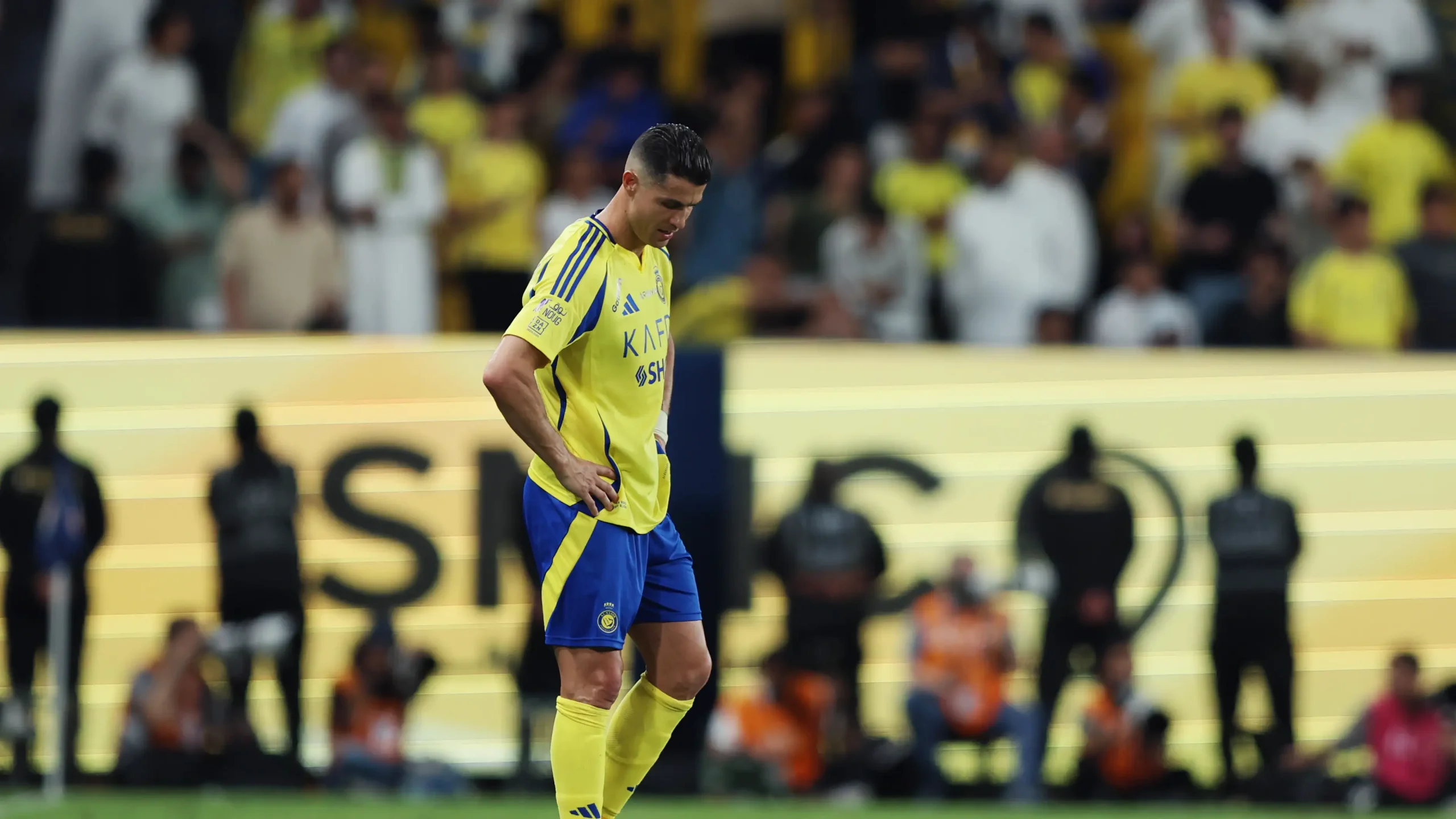
Cristiano Ronaldo has scored goals in almost every major football competition he has played in, but even the greatest goal-scorers cannot play every match. At 41, the Portuguese superstar remains central to Al-Nassr’s ambitions. Yet the club’s decision to leave him out of the travelling squad for the AFC Champions League Elite clash against Pakhtakor has raised an important question: can Al-Nassr build a winning identity that does not depend on Ronaldo’s presence every time?
The Cristiano Ronaldo Al-Nassr story took an unexpected turn ahead of the team’s trip to Tashkent, Uzbekistan. Head coach Ange Postecoglou confirmed that Ronaldo, Kingsley Coman and Mohamed Simakan would be rested because of the pressure of the fixture schedule and the amount of travelling involved.
The timing makes the decision particularly interesting. Ronaldo had just scored a hat-trick in Al-Nassr’s 5–3 Saudi Pro League victory over Al-Kholood, taking his career tally to 985 goals. Rather than selecting a player fresh from a remarkable scoring performance, Postecoglou chose to protect his physical condition.
This is not evidence of a disciplinary problem, a falling-out with the manager or a loss of confidence in Ronaldo. It is a squad-management decision that raises bigger questions about Al-Nassr’s tactical flexibility, its dependence on its biggest star and its ambitions in domestic and continental football.
1. Cristiano Ronaldo Al-Nassr: Why Postecoglou made the decision
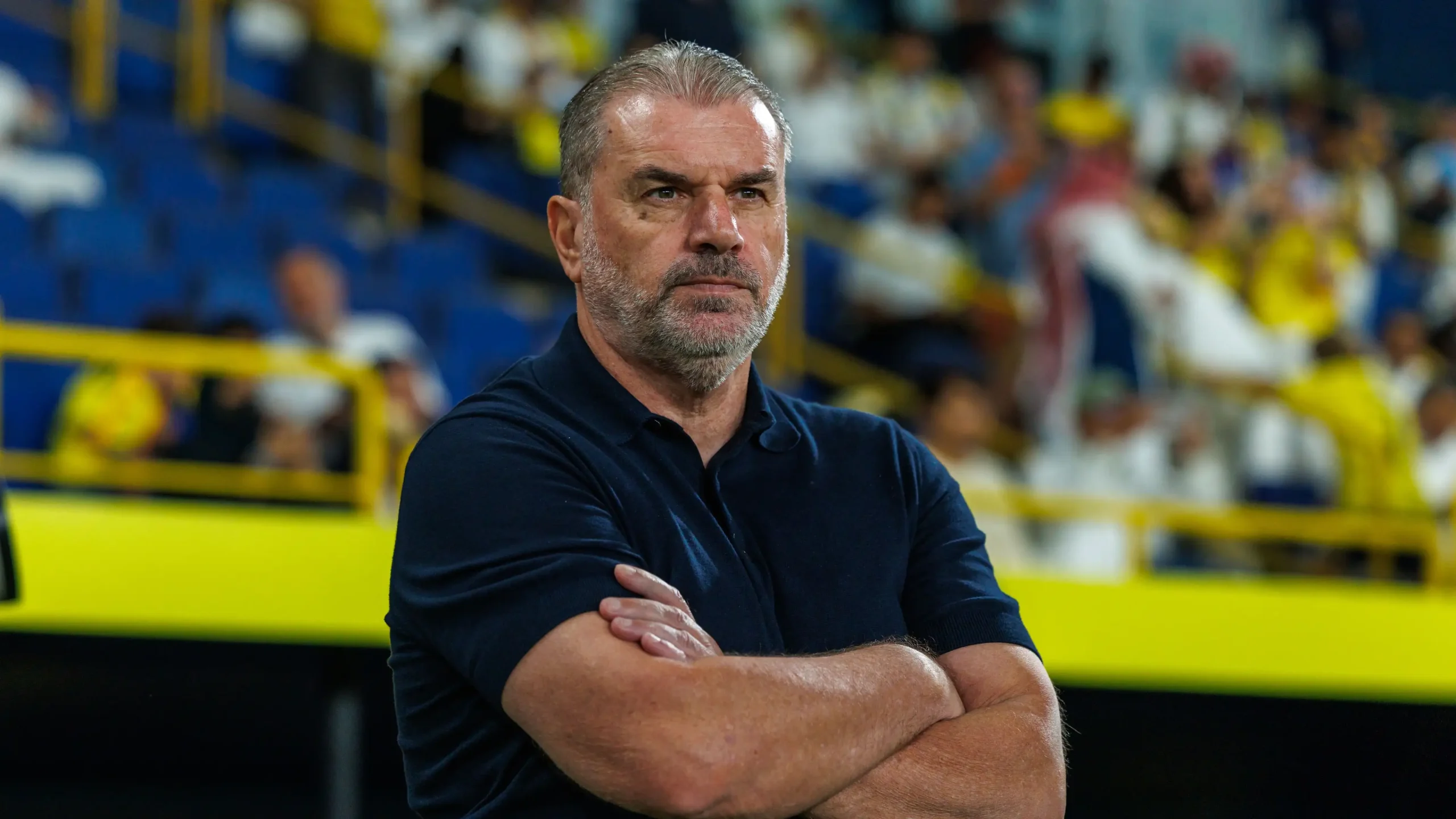 The first point to understand is the official explanation.
Postecoglou said he had decided to rest Ronaldo, Coman and Simakan because of the congestion of matches and the frequency of travel. His explanation was about managing the workload of important players rather than punishing anyone for poor performances.
That distinction is essential. The headline may attract attention because Ronaldo is one of the most recognisable footballers in the world, but the decision was not limited to him. Two other established players were also left out of the travelling group.
Al-Nassr are competing across domestic and continental competitions, meaning the coaching staff must balance immediate results with the physical demands of a long campaign. A demanding schedule can affect recovery, concentration, muscular freshness and the ability to maintain high-intensity performances.
Travel adds another challenge. An away fixture in Uzbekistan requires the team to move across borders and manage preparation away from its usual training environment. Even when players are physically fit, repeated journeys can complicate recovery and preparation.
Postecoglou’s decision therefore reflects a familiar principle in modern football: a manager must sometimes leave his best-known players out of a match to protect their availability for the wider season.
For Ronaldo, the decision is especially significant because his influence at Al-Nassr extends beyond his goals. He is a focal point of the attack, a leader in the dressing room and one of the club’s biggest commercial attractions. Resting him is a reminder that the team’s sporting needs must sometimes come before the expectations created by a superstar’s reputation.
2. The timing is surprising: Ronaldo was coming off a hat-trick
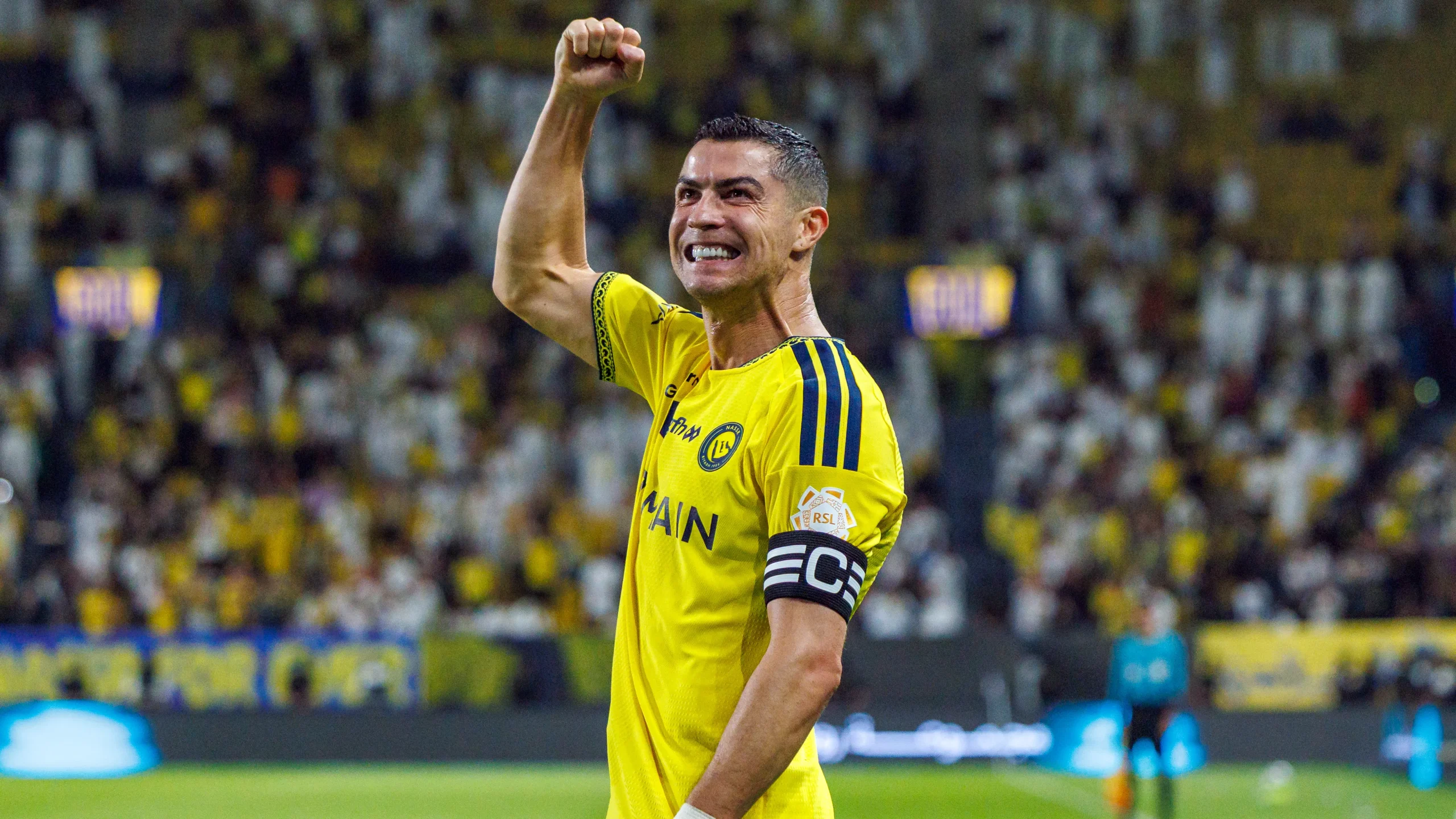 There is a reason why Ronaldo’s omission attracted so much attention.
He was not coming off a poor performance or a run of missed opportunities. In Al-Nassr’s 5–3 victory over Al-Kholood on October 29, he scored three goals and moved his career tally to 985.
That achievement placed him just 15 goals away from the widely discussed 1,000-goal milestone in official senior matches. His pursuit of that landmark is a major part of the attention surrounding his performances.
SEE ALSO; Cristiano Ronaldo’s Epic 1,000-Goal Chase to Historic Glory
For supporters, the natural expectation was that a player who had just scored three goals would travel with the team and attempt to continue that momentum in Asia.
However, football management is not simply about selecting players based on their most recent performance. A manager must consider the physical demands of the next match, the importance of upcoming fixtures and the risk of overworking key individuals.
There is also a difference between being in scoring form and being able to perform at maximum intensity every few days. Ronaldo’s goals demonstrate that his finishing remains a major weapon, but they do not remove the need for recovery.
At 41, workload management becomes particularly important. That does not mean age alone determines his ability to compete. His recent hat-trick demonstrates that he remains capable of producing decisive moments. It means the coaching staff must make careful decisions about when his experience and finishing ability are most valuable.
The Cristiano Ronaldo Al-Nassr situation is therefore a useful example of the tension between individual ambition and collective planning. Ronaldo is chasing a historic personal milestone, while the club must protect its wider objectives.
3. Can Al-Nassr’s attack function without Ronaldo?
This is arguably the most important football question raised by the decision.
Ronaldo gives Al-Nassr a natural reference point in the penalty area. His movement, positioning, aerial threat and ability to finish chances influence how opponents defend the Saudi side.
When he is available, teammates can look for him with crosses, through balls and passes into dangerous areas. Defenders must also account for his positioning, which can create space for other attackers.
Without him, the attacking structure may need to change.
Al-Nassr cannot simply expect another forward to reproduce Ronaldo’s movement and finishing. Instead, the team must find alternative ways to create scoring opportunities.
There are several tactical possibilities:
- A different central striker: The coach can use another forward to occupy the centre-backs and provide a target inside the penalty area.
- More movement from wide players: Coman and other attacking options can stretch the opposition defence and create opportunities through one-on-one situations.
- Greater responsibility for midfielders: Players arriving from deeper positions can contribute more runs into the box and provide additional goal threats.
- More collective pressing: Rather than depending on one player to lead every attacking phase, the team can use coordinated movement to win possession higher up the pitch.
The key is not to find another Ronaldo. It is to develop an attacking system capable of producing goals through different players and different patterns.
This is where Postecoglou’s coaching becomes important. His team must demonstrate that its attacking identity is based on collective movement and coordinated decisions rather than the presence of one superstar.
A successful performance without Ronaldo would not prove that Al-Nassr are better without him. It would demonstrate that the squad has enough tactical flexibility to compete when its leading scorer is unavailable.
4. Ange Postecoglou’s biggest test is squad management
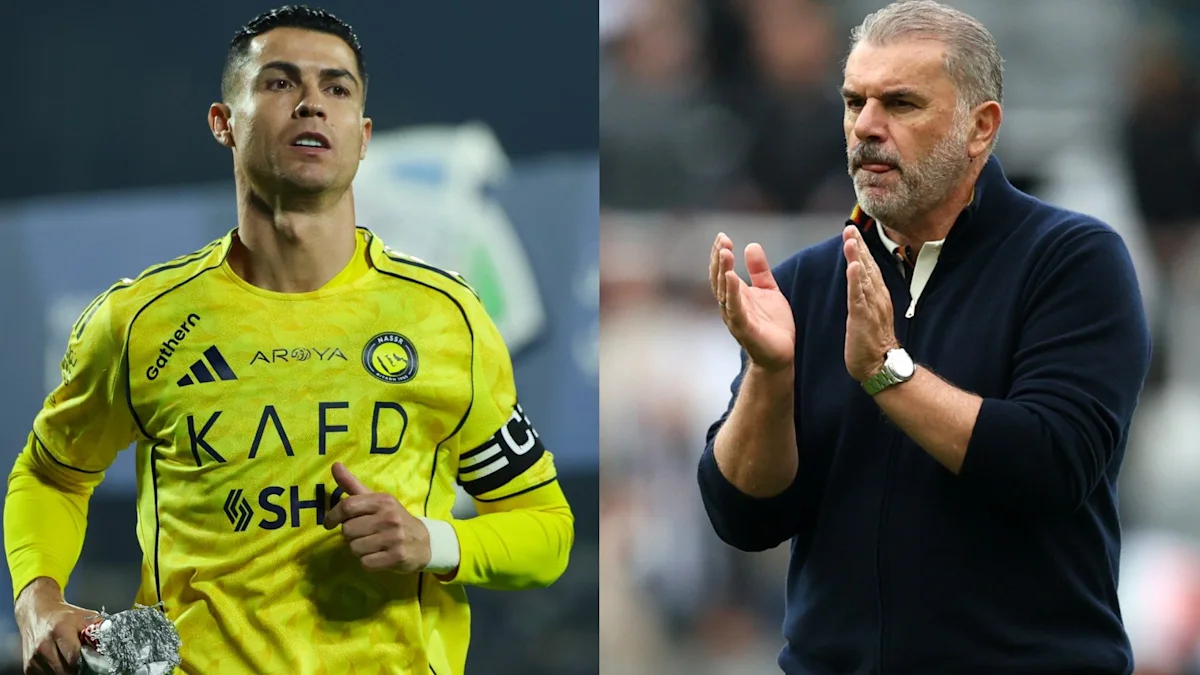 Postecoglou’s decision also offers an insight into the responsibilities that come with managing a club built around internationally recognised players.
At a club such as Al-Nassr, selection decisions are never judged only by tactical considerations. Supporters expect to see the biggest names, broadcasters want the most marketable players on the pitch, and opponents prepare for the threat posed by the team’s leading stars.
But a manager must maintain authority over the squad.
If every important player expects to feature in every major match, rotation becomes difficult. That can create physical problems and make it harder for younger or less established players to gain meaningful opportunities.
By resting Ronaldo, Coman and Simakan together, Postecoglou has shown that he is willing to make decisions based on the team’s wider schedule.
The decision also creates an opportunity for other players to demonstrate their value. A squad cannot be considered strong simply because it has several famous names. Its depth must be measured by whether replacements can maintain the team’s structure and competitive level.
For Postecoglou, the Pakhtakor match is therefore a test of both selection policy and squad depth.
He must show that Al-Nassr can remain organised, create chances and compete for the result without three important players. If the replacements perform well, the manager will have more confidence in rotating his squad during future periods of fixture congestion.
If the team struggles, the performance may expose areas that need attention in the transfer market or on the training ground.
5. The bigger picture: Al-Nassr must build a team, not just a Ronaldo project
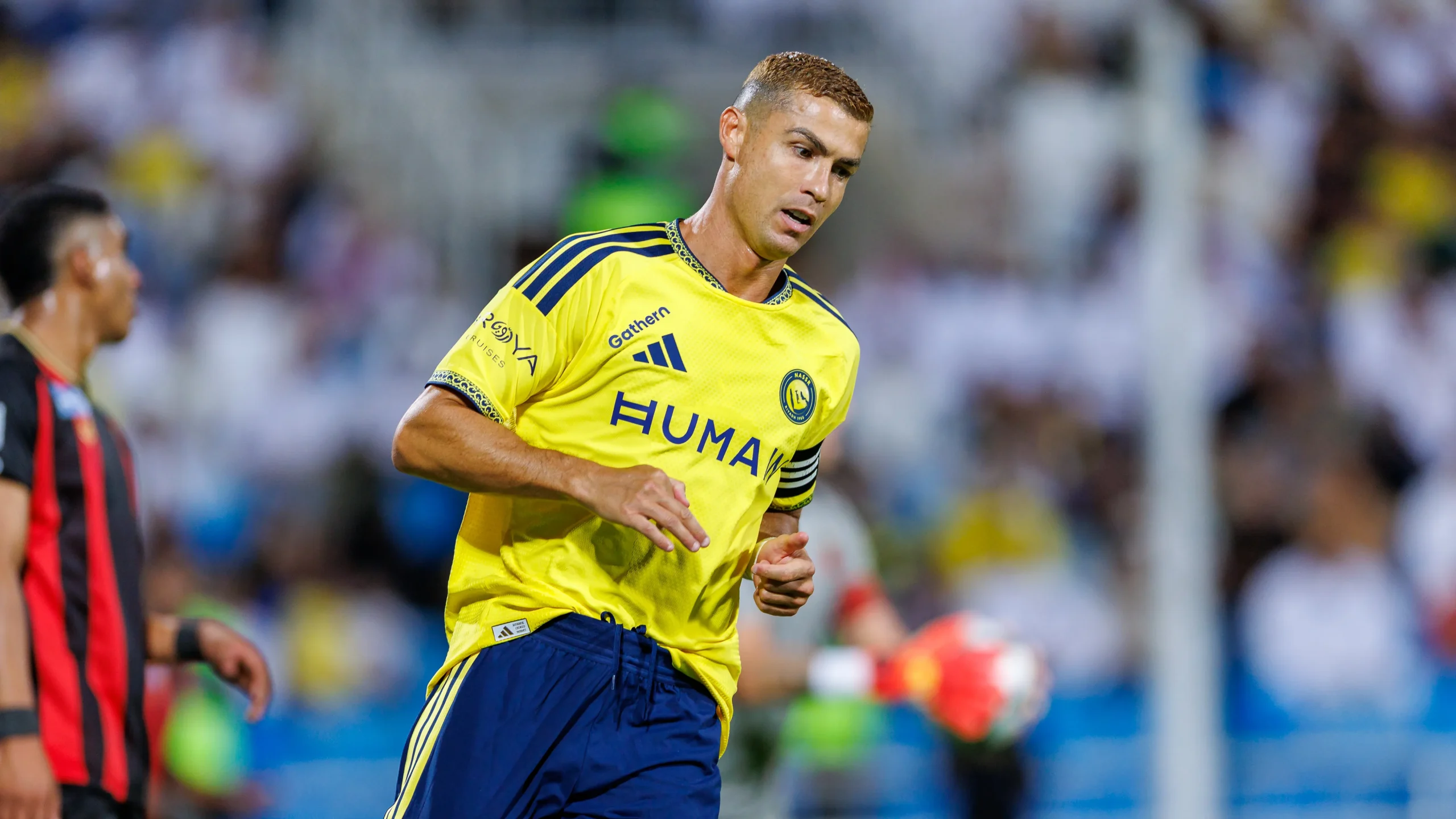 Ronaldo’s arrival transformed Al-Nassr’s international profile. His presence attracted global attention to the Saudi Pro League and helped make the club one of the most recognisable teams in the region.
His influence has been sporting and commercial.
On the pitch, he has brought goals, experience and a winning mentality. Away from it, his name has helped attract attention from international media, supporters and commercial partners.
However, a club’s long-term success cannot depend entirely on one player.
Football history is full of teams that had outstanding individual stars but struggled when those players were unavailable. The strongest sides develop systems that allow different players to contribute without losing their identity.
That is the challenge facing Al-Nassr.
The club must continue to benefit from Ronaldo’s quality while ensuring that its tactical structure does not collapse whenever he is absent. It must also prepare for the reality that no player can remain available indefinitely.
This is not an argument that Ronaldo is no longer important. Quite the opposite: his importance makes it even more necessary for Al-Nassr to manage his workload carefully.
A player who is protected during demanding periods may be more useful across an entire season than one who is selected for every fixture and eventually becomes unavailable.
There is also a long-term sporting question. Al-Nassr must build a squad capable of competing in Saudi Arabia and Asia beyond the immediate contribution of its biggest stars. That requires investment in depth, clear tactical principles and opportunities for players who may not receive the same attention as Ronaldo.
The best tribute to a superstar is not to make a team permanently dependent on him. It is to build a team strong enough to support his ambitions and continue competing when he is not on the pitch.
6. The Pakhtakor match: An opportunity, not proof of a new era
The match against Pakhtakor in Tashkent is an important opportunity for Al-Nassr to demonstrate its depth.
Ronaldo’s absence will naturally attract attention, but the performance of the players selected to replace him will be more revealing than the headlines surrounding the decision.
Al-Nassr need to show that they can maintain attacking threat, control important phases of the match and defend effectively without relying on their leading scorer to solve every problem.
The coaching staff will also be watching how the team responds to the different demands of the match. Can the wide players create enough danger? Can the midfield provide support in the final third? Can the replacement striker occupy defenders and convert opportunities?
These questions will help determine whether Al-Nassr have genuine depth or whether their attacking structure remains too dependent on individual brilliance.
It is important, however, not to overstate what one match can prove. A victory without Ronaldo would be encouraging, but it would not establish that the team no longer needs him. A defeat would not automatically mean the decision to rest him was wrong.
The wider assessment must consider the entire season, the condition of the players and the club’s performance across competitions.
Final verdict: The biggest stars also need a team around them
Cristiano Ronaldo’s absence from Al-Nassr’s squad for the Pakhtakor match is not evidence that the Portuguese forward has fallen out of favour. The explanation from Ange Postecoglou is clear: the decision was made to manage the pressure of fixtures and travel.
Yet the situation raises a bigger question about the future of Al-Nassr.
Can the club turn its star power into a sustainable team identity? Can it create enough attacking options to compete when Ronaldo is unavailable? And can the coaching staff balance the expectations surrounding a global superstar with the physical demands of a long season?
Ronaldo remains a decisive figure, as his recent hat-trick demonstrated. But Al-Nassr’s ambitions require more than one player’s goals.
The real measure of a strong team is not only what it can achieve with its biggest star, but whether it can continue winning when that star is absent.
Do you think Al-Nassr can maintain its attacking strength without Cristiano Ronaldo, or does the team still depend too heavily on the Portuguese superstar? Share your opinion in the comments.