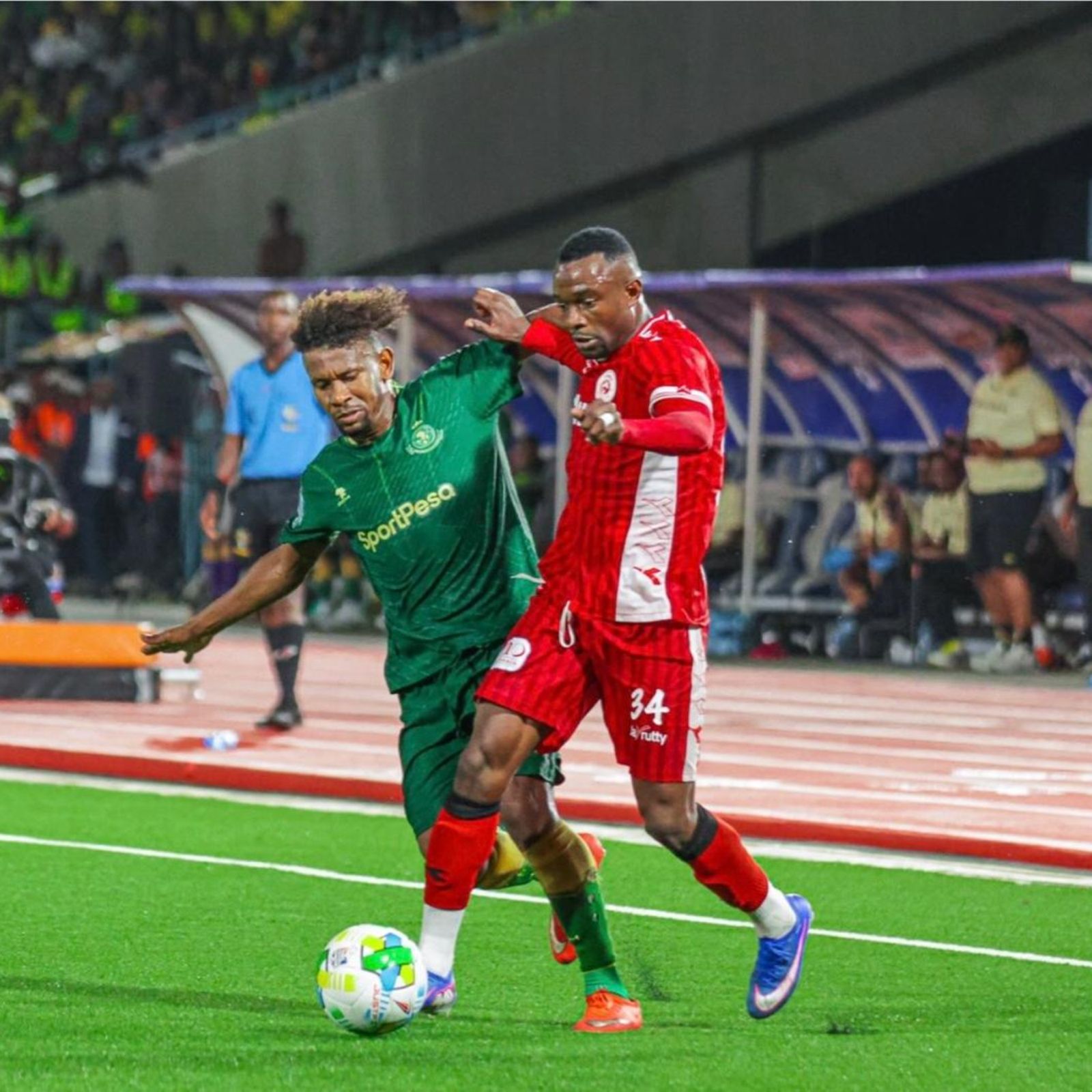
Tanzania has earned something that its football supporters have wanted to see for years: two representatives competing among Africa’s 16 leading clubs in the same CAF Champions League group-stage campaign. Simba SC and Young Africans (Yanga) have both survived the preliminary rounds, but their real examination begins now. The question is no longer whether Tanzania can put its clubs on the continental stage. It is whether those clubs can challenge the continent’s established powers and turn qualification into genuine progress.
The 2026/27 group-stage draw has delivered a demanding assignment. Yanga have been placed in Group B alongside Egypt’s Zamalek, Algeria’s MC Alger and Tunisia’s Club Africain. Simba will compete in Group C against Morocco’s RS Berkane, South Africa’s Orlando Pirates and Cameroon’s Colombe Sportive. These are opponents with different football cultures, histories, strengths and tactical identities.
For Tanzanian supporters, the draw creates excitement, but it also demands realism. Domestic success does not automatically translate into continental dominance. The group stage tests a club’s ability to perform away from home, manage pressure, adapt tactically and maintain consistency across six matches.
There are encouraging signs. Yanga qualified with an 8–1 aggregate victory over Madagascar’s CFFA, while Simba completed a 9–1 aggregate triumph against Equatorial Guinea’s 15 de Agosto. Both teams demonstrated attacking strength in the preliminary rounds. Yet the quality of opposition is about to rise considerably.
The ambition is clear: Tanzania wants more than participation. It wants a club capable of reaching the latter stages and eventually competing for the biggest prize in African club football.
Simba and Yanga in CAF Champions League: Why This Season Matters for Tanzania
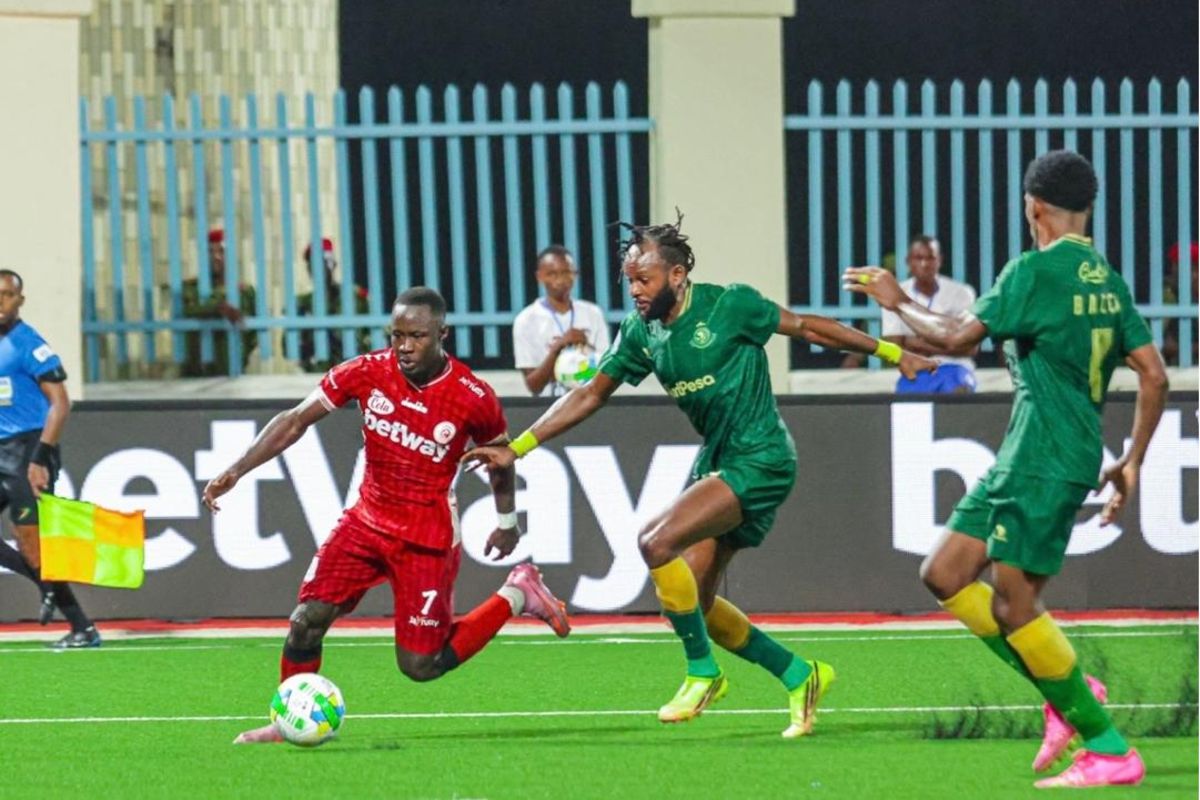 Having two clubs in the group stage is an important achievement for Tanzanian football. It provides the country with two opportunities to compete against established continental opponents, showcase its domestic talent and strengthen the international profile of its league.
The achievement also reflects the progress made by the two traditional giants in recent seasons. Both have invested in their squads, attracted experienced players and built large supporter communities that follow their continental campaigns with enormous passion.
Yanga’s qualification is particularly significant because the club has reached the group stage for the fourth consecutive season. That consistency demonstrates that their recent continental progress is not simply the result of one successful campaign. They have established themselves as regular participants at this level.
Simba, meanwhile, will be making their seventh Champions League group-stage appearance, according to CAF’s historical profile of the qualified clubs. They have also developed a strong continental identity, having reached the quarter-finals of the modern Champions League on four occasions.
Their history includes the 1993 CAF Cup final, when Simba became the first Tanzanian club to reach a CAF interclub final. More recently, they reached the 2024/25 CAF Confederation Cup final, finishing as runners-up.
These achievements matter because continental experience can influence how a club approaches difficult matches. Players who have experienced high-pressure African fixtures understand the importance of concentration, discipline and managing the emotional side of competition.
However, historical achievements cannot guarantee future results. The current squads must demonstrate that they can compete against the specific opponents waiting for them.
Tanzania has secured representation. The next objective is to establish genuine competitiveness.
1. Yanga’s Group B: Three Opponents With Serious Continental Ambitions
 Yanga have been drawn in one of the most interesting groups of the competition. Their opponents are Zamalek, MC Alger and Club Africain.
Each club brings a different challenge, and that is what makes the group particularly complicated.
Zamalek: The Egyptian giant and the test of experience
Zamalek are five-time African champions and among the most recognisable clubs in continental football. Their history gives them a level of prestige that few opponents can ignore.
The Egyptian club have experience of high-pressure continental matches, large supporter expectations and difficult away environments. Their players understand that the Champions League is not simply another competition; it is an opportunity to reinforce the club’s status in African football.
For Yanga, the encounter will require a disciplined approach.
The Tanzanian side cannot allow Zamalek to dictate the rhythm through comfortable possession. They must press intelligently, protect the spaces between midfield and defence and avoid giving the Egyptian side unnecessary opportunities around the penalty area.
Zamalek’s experience could become particularly important in difficult moments. If the match remains level late in the second half, their players may be more comfortable managing the tempo and making decisions under pressure.
Yanga must therefore approach the fixture with confidence but without losing tactical discipline.
MC Alger: Physical intensity and the importance of midfield control
MC Alger are another opponent with a significant continental history. The Algerian club won the African Cup of Champions Clubs in 1976 and remain an important name in North African football.
Their presence makes Group B especially demanding because Yanga will face another opponent accustomed to the physical and tactical demands of continental competition.
The midfield battle could be decisive.
Yanga must be prepared for physical challenges, aggressive pressing and periods in which the game becomes fragmented. If they lose control of second balls, they could struggle to establish their preferred attacking rhythm.
The key will be maintaining composure.
Rather than responding to physical intensity with unnecessary fouls or rushed passing, Yanga need to move the ball intelligently and use their technical quality to escape pressure.
Their midfielders must also provide sufficient protection for the defenders. Against experienced opponents, one poorly timed challenge or one careless pass can change the direction of a match.
Club Africain: The opponent Yanga cannot afford to underestimate
Club Africain complete Group B and provide another serious examination.
The Tunisian side have a proud history and a strong football culture. Their participation means Yanga will face three opponents from countries with considerable experience in African club competitions.
The danger for Yanga would be to concentrate too heavily on Zamalek and MC Alger while treating Club Africain as a less demanding opponent.
That would be a mistake.
Group-stage qualification is decided across six matches. A club that wins against a major opponent but drops unnecessary points elsewhere can still fail to reach the quarter-finals.
Yanga must therefore approach all three opponents with the same level of preparation.
What Yanga must do to qualify
The most important requirement is tactical flexibility.
Against Zamalek, Yanga may need to manage periods without possession and remain compact. Against MC Alger, controlling midfield duels and second balls could become essential. Against Club Africain, the challenge may involve breaking down organised defending while protecting against counterattacks.
Yanga must also make their home fixtures count.
The atmosphere created by their supporters can become an advantage, but it only matters if the team converts that energy into disciplined football. Attacking recklessly in front of a home crowd can expose the defence and give opponents opportunities to score away goals in the broader sense of gaining valuable away points.
Yanga’s qualification hopes will depend on consistency, not one impressive performance against a famous opponent.
2. Simba’s Group C: Orlando Pirates and RS Berkane Stand in the Way
 Simba have also been handed a challenging group. Their opponents are RS Berkane, Orlando Pirates and Colombe Sportive.
The group brings together clubs from Morocco, South Africa, Tanzania and Cameroon. That geographical variety also creates different tactical challenges.
RS Berkane: Morocco’s continental threat
RS Berkane are one of Morocco’s established continental competitors. Their recent growth has made them a serious opponent for clubs across Africa.
The Moroccan side have experience of continental football and a reputation for being difficult to eliminate over two-legged ties. Their organisation, competitive mentality and ability to manage important moments make them a major obstacle for Simba.
The challenge for Simba will be to avoid allowing Berkane to control the rhythm of the match.
Moroccan clubs are often technically comfortable in possession, but Simba should not assume that the contest will be decided by technical ability alone. Defensive concentration, transitions and the management of set pieces could all become important.
Simba need to be particularly careful when losing possession in advanced areas. If Berkane can recover the ball and move forward quickly, the Tanzanian side could be forced into defensive situations before their players have time to reorganise.
The ability to defend as a unit will be essential.
Orlando Pirates: A major continental rivalry
The presence of Orlando Pirates makes Group C especially attractive to supporters.
The South African club won the CAF Champions League in 1995 and have a significant history in African football. Their large supporter base and experience of continental competition make them one of the most recognisable opponents in the group.
The meetings between Simba and Pirates could become defining fixtures.
Both clubs have passionate supporters, strong domestic identities and ambitions to progress beyond the group stage. The matches will attract considerable attention in Tanzania and South Africa.
However, the rivalry must be approached from a tactical perspective rather than emotion alone.
Simba will need to understand how Pirates build attacks, where their dangerous players operate and how they react when possession is lost.
A team that presses without coordination can leave spaces for opponents to exploit. Simba must therefore choose their pressing moments carefully, ensuring that the forwards, midfielders and defenders move together.
The home match against Pirates could be especially important. A victory would provide Simba with a valuable advantage in the group standings, although the return fixture in South Africa could prove considerably more difficult.
Colombe Sportive: The opponent that could change the group equation
Colombe Sportive may not have the same international recognition as RS Berkane or Orlando Pirates, but their qualification deserves respect.
The Cameroonian club reached the group stage after defeating Senegal’s Teungueth FC 3–0 on aggregate.
Their presence is an important achievement for Cameroonian football, whose clubs have been working to re-establish themselves in major continental competitions.
SEE ALSO: Simba CAF Champions League: The Real Test Starts Now
For Simba, Colombe represent a fixture that demands concentration.
The danger is assuming that the match will be easier because the opponent is less familiar to international audiences. Such thinking can lead to poor preparation and unexpected dropped points.
Simba must study Colombe’s defensive organisation, attacking transitions and individual strengths before meeting them.
The group could become so competitive that points dropped against any opponent may prove decisive.
3. Orlando Pirates vs Simba: The Fixture That Could Shape Group C
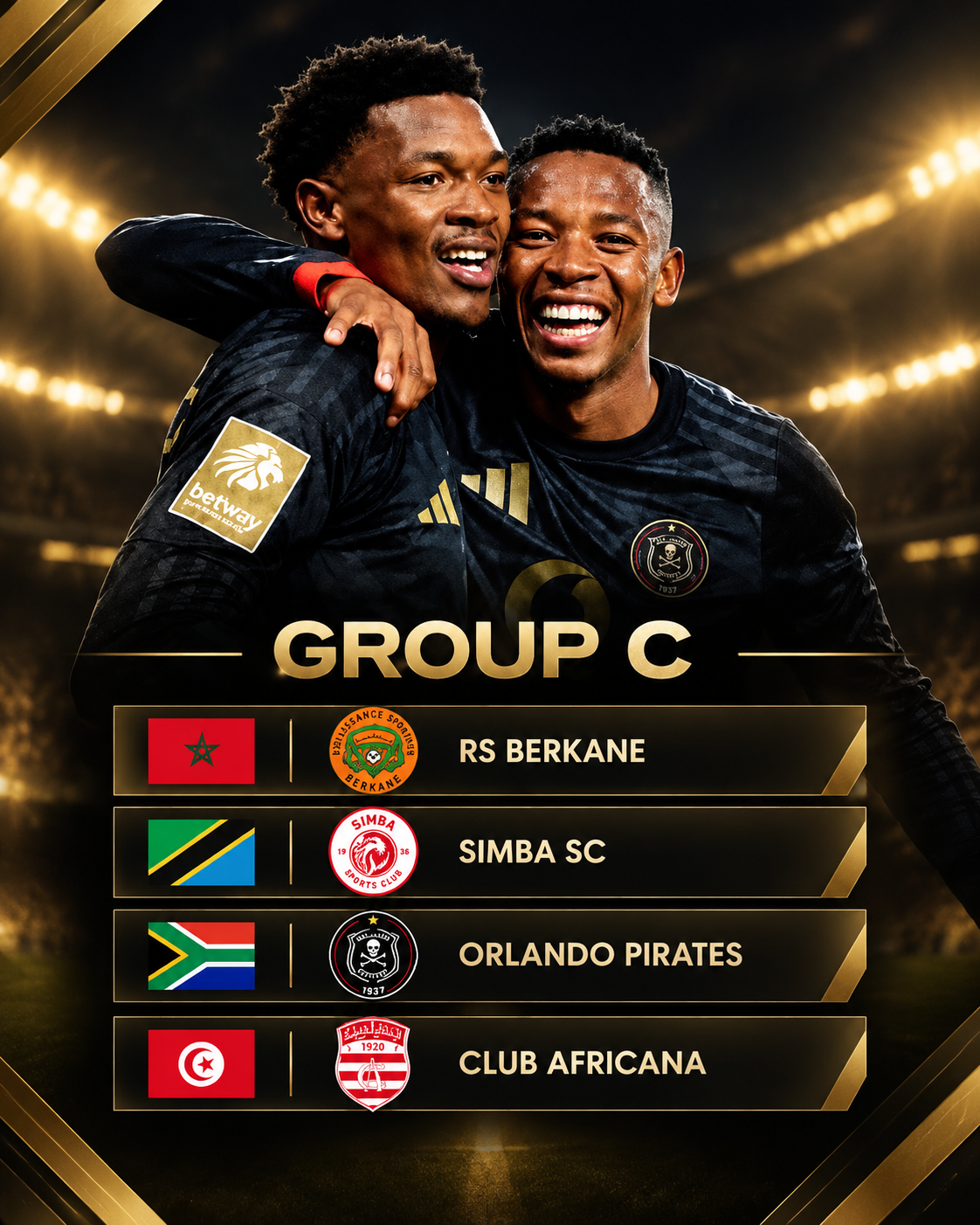 Among Simba’s six group-stage matches, the two meetings with Orlando Pirates could have an important influence on the final standings.
Both clubs have continental ambitions, and their supporters will expect strong performances.
From Simba’s perspective, the first challenge is to avoid becoming emotionally distracted by the size of the occasion.
SEE ALSO; Orlando Pirates’ 5 Biggest Tests: Can the Buccaneers Conquer CAF Champions League Group C
A major fixture can create pressure, particularly when supporters view it as a measure of the club’s continental status. However, the players must concentrate on the football rather than the noise surrounding the match.
The midfield contest could determine how the game develops.
If Simba can establish control, move the ball efficiently and prevent Pirates from launching attacks quickly, they will have a better opportunity to create chances.
If Pirates dominate the central areas, Simba could be forced into defending deeper and relying on counterattacks.
The wide areas will also be important. Both teams must prevent opponents from creating numerical advantages around the touchlines and delivering dangerous balls into the penalty area.
Simba’s defenders will need to communicate effectively, especially when Pirates change the direction of their attacks.
The return fixture will introduce another challenge: playing away from home in a demanding South African environment.
The ability to manage the atmosphere, control the opening stages and avoid conceding early could make a major difference.
For Simba, the objective should not simply be to beat Pirates. It should be to collect enough points across all six matches to secure a top-two finish.
4. Squad Depth Could Decide Whether Tanzania’s Clubs Survive the Group Stage
 The group stage is a different competition from the preliminary rounds.
A club can dominate one opponent over two legs through superior individual quality. Sustaining performances over six group matches requires a broader set of strengths.
Squad depth is one of the most important.
Simba and Yanga will need to balance continental fixtures with their domestic responsibilities. Their players must travel, recover, train and prepare for opponents with different playing styles.
Injuries and suspensions are unavoidable risks during a long campaign. A team that relies too heavily on a small group of players may struggle when important individuals become unavailable.
The importance of central defence
Central defenders must remain consistent throughout the competition.
Against experienced continental forwards, small positioning errors can lead to goals. Defenders must communicate, maintain compact distances and recognise when to step forward or protect the space behind them.
A club cannot expect to progress if it repeatedly concedes preventable goals away from home.
Midfield rotation and energy
The midfield is another area where squad depth becomes essential.
Players must be capable of pressing, recovering possession, protecting the defence and supporting attacks. Performing all these tasks across a demanding schedule requires physical and tactical preparation.
Coaches must know when to rotate and how to maintain the team’s structure when making changes.
Attacking alternatives
Goals will be essential, but relying on one striker or one creative player is dangerous.
Opponents will analyse the main attacking threats and attempt to reduce their influence. Simba and Yanga need alternative routes to goal through wide players, midfield runners, set pieces and intelligent movement inside the penalty area.
The strongest teams are not necessarily those with the most famous individuals. They are the teams that can maintain their performance level when circumstances change.
5. Away Matches: The Biggest Examination of Tanzanian Ambition
 Home support can provide a powerful advantage, but continental campaigns are often shaped by what happens away from home.
The atmosphere in Dar es Salaam can motivate Simba and Yanga. Their supporters create an environment that can make visiting teams uncomfortable.
However, the same clubs must demonstrate that they can compete when thousands of supporters are against them.
North African away fixtures can be particularly demanding because of the atmosphere, travel and experience of the home teams.
For Yanga, trips to Egypt, Algeria and Tunisia will test their ability to remain calm under pressure.
For Simba, the journeys to Morocco, South Africa and Cameroon will require careful preparation.
Travel itself is an important consideration. Long journeys, different climates, recovery time and changes in routine can affect performance.
Clubs need professional preparation beyond the training pitch. Nutrition, sleep, medical support and travel planning can influence how players perform.
Tactically, away matches may require a more controlled approach.
There will be occasions when defending compactly and accepting less possession is the sensible decision. A team does not need to dominate every match to collect points.
The ability to recognise when to attack and when to protect a result is a mark of continental maturity.
If Simba and Yanga want to reach the quarter-finals, they must learn to collect points in difficult away environments.
6. The Financial Stakes: A USD 6 Million Prize and the Commercial Opportunity
 The 2026/27 CAF Champions League carries an important financial incentive.
CAF has confirmed that the eventual winners will receive USD 6 million in prize money.
That reward highlights the growing commercial value of African club football and provides an additional motivation for the participating teams.
For Simba and Yanga, progressing beyond the group stage would bring more than sporting recognition.
A successful continental campaign can strengthen a club’s commercial position in several ways.
Sponsorship opportunities
Strong performances against established African clubs can increase international visibility.
Sponsors are naturally attracted to clubs that receive regular media attention and reach large audiences. Progressing to the quarter-finals or beyond could strengthen the commercial appeal of both Tanzanian giants.
Supporter engagement
Continental football can also increase supporter engagement.
Important matches attract attention from fans who may not follow every domestic fixture. Successful campaigns can create stronger demand for merchandise, memberships and matchday experiences.
Player recruitment and retention
A club that regularly competes against leading African teams can become more attractive to talented players.
Continental exposure can also help players improve their reputation and increase their market value.
However, the financial benefits should not be exaggerated.
Prize money is not guaranteed, and clubs must account for travel, preparation, salaries and other operational expenses. Reaching the latter stages requires sustained investment and good financial management.
The best long-term strategy is to build a competitive football operation that does not depend entirely on tournament income.
7. Tanzania’s Football Reputation Is Also at Stake
The performances of Simba and Yanga will influence how Tanzania is viewed across African club football.
When a country regularly produces competitive clubs, it strengthens the reputation of its domestic league and creates more opportunities for its players.
The reverse is also true. Repeated poor performances can raise questions about the quality of preparation, squad development and domestic competition.
This is why the campaign matters beyond the two clubs.
Tanzania has invested considerable passion and attention in football. The rivalry between Simba and Yanga has helped create a large audience for the sport, but continental progress requires that attention to translate into stronger football structures.
The clubs must continue improving:
- Youth development and the pathway from academy football to the first team.
- Recruitment based on tactical requirements rather than reputation alone.
- Sports science, recovery and injury prevention.
- Coaching education and detailed opposition analysis.
- Financial planning and long-term squad development.
- Matchday operations and supporter experience.
These improvements are not achieved through one Champions League campaign. They require sustained work.
Nevertheless, the group stage provides a valuable opportunity to measure how far the clubs have progressed.
8. What the Historical Records Tell Us About Simba and Yanga
 The two clubs enter the competition with different continental histories.
Simba’s seven group-stage appearances, as listed in CAF’s pre-draw club profiles, demonstrate their long-standing presence in the competition. Their four modern-era quarter-final appearances show that they have previously reached the latter stages.
Yanga’s four consecutive group-stage qualifications demonstrate a period of sustained participation and progress.
These records offer useful context, but they also reveal the next challenge.
For Simba, the objective is to turn repeated quarter-final appearances into a deeper run. Reaching the last eight is a significant achievement, but the club’s ambition must extend beyond simply repeating previous campaigns.
For Yanga, the priority is to transform consistent group-stage qualification into regular progress through the knockout rounds.
Both clubs need to understand that continental success is built in stages.
First, they must qualify. Then they must perform consistently in the group stage. After that, knockout football demands a different level of concentration, adaptability and experience.
The clubs should not measure their progress only by whether they defeat famous opponents. They must also consider whether their overall performances are improving from one season to another.
The Group-Stage Calendar: Six Matches That Could Define the Campaign
CAF has scheduled the group stage across six matchdays, beginning in late November 2026 and finishing in January 2027.
The published calendar is:
- Matchday 1: 27–29 November 2026
- Matchday 2: 4–6 December 2026
- Matchday 3: 18–20 December 2026
- Matchday 4: 8–10 January 2027
- Matchday 5: 15–17 January 2027
- Matchday 6: 22–24 January 2027
The top two teams in each of the four groups will advance to the quarter-finals.
This format makes every match important. A club that starts slowly could find itself under pressure before the final two matchdays.
The opening fixtures will be particularly important for confidence. A positive result can create momentum and give a team more flexibility when approaching difficult away matches.
However, the middle of the group stage may prove just as decisive. That is when fatigue, injuries and tactical adjustments begin to influence performance.
The final matchday could become a test of composure if qualification remains undecided.
Simba and Yanga must therefore prepare for the entire six-match campaign rather than concentrating on individual headline fixtures.
Prediction: Can Both Tanzanian Giants Reach the Quarter-Finals?
The possibility of both clubs reaching the quarter-finals is realistic, but it will require excellent performances.
Yanga face three opponents with significant continental histories. Zamalek, MC Alger and Club Africain will all believe they have the quality to qualify.
The Tanzanian side must demonstrate that their attacking strength can translate into results against more experienced opponents.
Simba’s group is equally competitive. RS Berkane and Orlando Pirates are serious contenders, while Colombe Sportive have earned their place and should not be underestimated.
Our assessment is that both clubs have a genuine opportunity to progress, but there is no basis for treating qualification as guaranteed.
Yanga’s qualification outlook
Yanga’s recent consistency in reaching the group stage is encouraging. Their 8–1 aggregate victory over CFFA also demonstrated attacking confidence.
However, the group requires greater tactical maturity. Their success will depend on how effectively they manage the different styles of Zamalek, MC Alger and Club Africain.
A strong home record and disciplined away performances could give them a realistic route into the top two.
Simba’s qualification outlook
Simba’s 9–1 aggregate victory over 15 de Agosto showed their attacking potential.
Their experience in previous Champions League campaigns is another advantage. They have played at this level before and understand the demands of continental competition.
However, RS Berkane and Orlando Pirates will provide a much stronger examination than the preliminary-round opposition.
Simba must avoid relying only on attacking momentum. Their defensive organisation and midfield control will be decisive.
Our overall prediction
Both Tanzanian clubs have the quality and experience to compete for qualification. Reaching the quarter-finals would be a major achievement, but it is not an automatic consequence of being among the 16 qualified teams.
The strongest indicator will be their ability to collect points consistently, particularly away from home.
Final Verdict: Tanzania Has a Chance to Make Africa Take Notice
The 2026/27 CAF Champions League group stage offers Tanzania one of its most important opportunities in recent club football.
Simba and Yanga have earned their places through qualification performances that demonstrated attacking strength and ambition. Now they must prove that they can compete against opponents with deeper continental histories and different tactical identities.
Zamalek, MC Alger and Club Africain will test Yanga’s discipline and adaptability. RS Berkane, Orlando Pirates and Colombe Sportive will demand similar qualities from Simba.
The challenge extends beyond individual matches. Both clubs must manage their squads, protect their players, prepare intelligently for away fixtures and maintain concentration across six demanding games.
There is also a wider responsibility. Their performances will influence the reputation of Tanzanian football and the expectations placed on the domestic game.
The dream of seeing a Tanzanian club lift the Champions League trophy remains ambitious, but ambition must be supported by planning, investment and consistent performances.
Tanzania has secured two places among Africa’s 16. The next task is to prove that its clubs belong among the continent’s strongest eight—and eventually among its champions.
Can Simba and Yanga both reach the quarter-finals? Or will the experience of Zamalek, MC Alger, RS Berkane and Orlando Pirates prove too much? Share your prediction in the comments and join the conversation about Tanzania’s continental future.