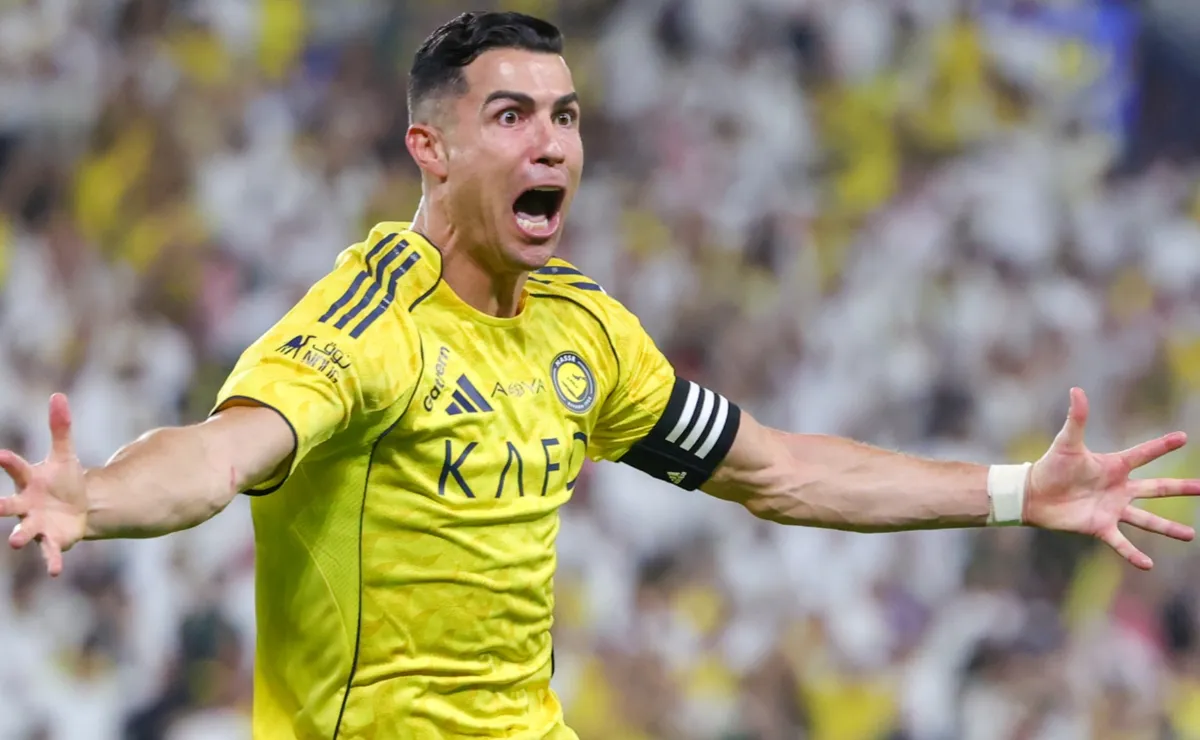
Fifteen goals. One historic number. And a 41-year-old forward still scoring hat-tricks. Cristiano Ronaldo has moved to 985 recognised senior career goals after producing a 15-minute treble in Al Nassr’s 5–3 victory over Al Kholood on 29 October 2026. The milestone that once seemed almost impossible is now close enough to dominate every discussion around his future. Cristiano Ronaldo’s countdown is no longer a distant statistical curiosity; it is one of the defining stories of the 2026/27 season.
The three goals arrived in the 66th, 72nd and 81st minutes, turning a match that was level at 2–2 into a victory for Al Nassr. For Cristiano Ronaldo, the timing of the treble was as significant as the number of goals. João Félix supplied the assists for the first two strikes, while Sadio Mané helped create the third.
The result was more than a hat-trick. It renewed the debate over whether Cristiano Ronaldo can reach 1,000 before the end of 2026, or whether the final steps will stretch into the new year. It was also his 67th career hat-trick and seventh for Al Nassr, according to the goal-tracking report, underlining how often he has produced multiple goals in a single match.
The Saudi Pro League confirmed that the performance took his career tally to 985, leaving him 15 short of four figures. A career-statistics tracker updated on 30 October lists 1,343 senior appearances, which gives him an average of approximately 0.73 goals per game. That ratio is extraordinary across such a long career, but the remaining challenge is not simply a matter of dividing 15 by his average. Fitness, fixtures, selection and the demands of Al Nassr’s season will all shape the timeline.
For The Football Xtra, the story of Cristiano Ronaldo is bigger than a countdown. Cristiano Ronaldo’s 1,000-goal chase offers a chance to examine how an elite attacker has changed his game, how Al Nassr use his strengths, why the final 15 goals may be difficult, and what such a milestone would mean in the wider history of football.
The Al Kholood hat-trick: three finishes, one statement
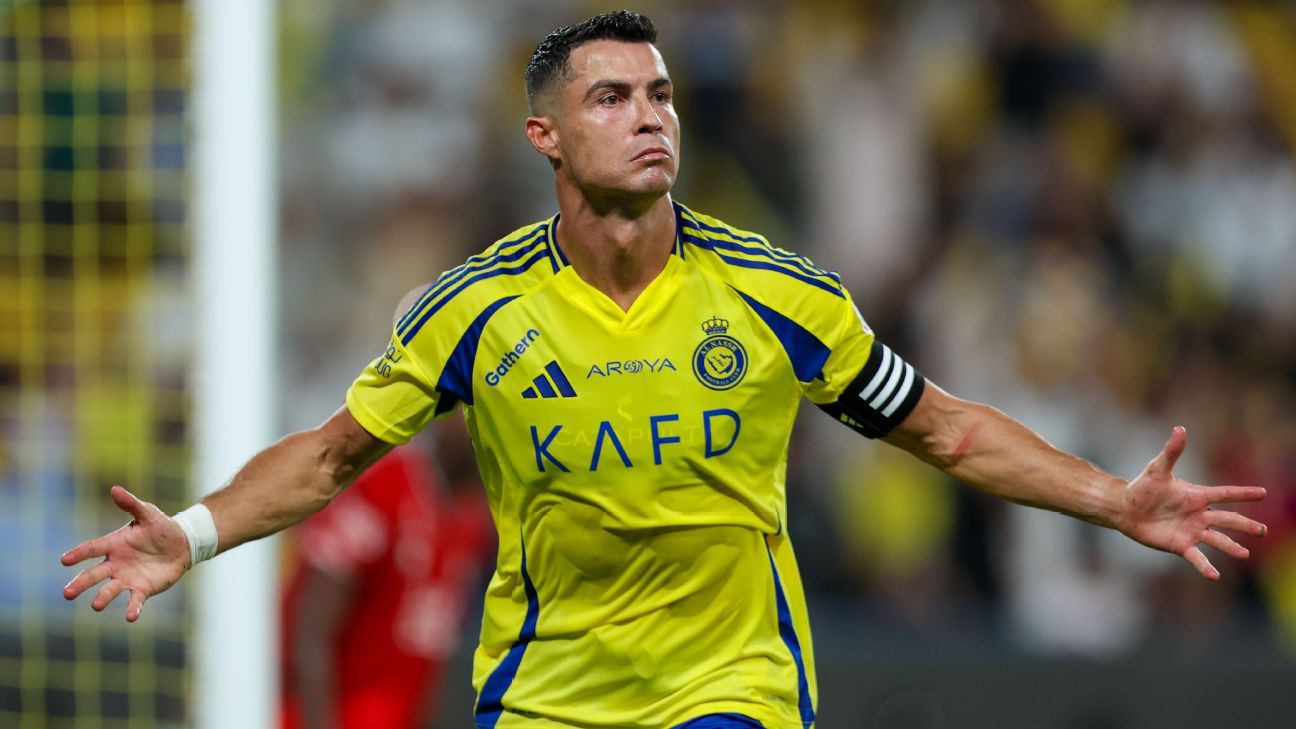 Al Nassr’s 5–3 victory was not a comfortable procession. Al Kholood took the lead through Julien Domingues in the 16th minute. Angelo Borges equalised eight minutes later, and Sadio Mané put the home side ahead in the 38th minute. The visitors restored parity through Antoine Loïc Essomba Bikoula in first-half stoppage time. At 2–2, the game was still open and Al Nassr needed a decisive second-half response.
Cristiano Ronaldo provided it. His first goal arrived in the 66th minute, when João Félix found him with a pass across the penalty area. Six minutes later, Félix delivered again and Cristiano Ronaldo finished with a header. The third came in the 81st minute after Mané helped create the opportunity. Three goals in 15 minutes, using three different actions: a close-range finish, an aerial strike and a quick penalty-area movement.
That variety matters. A prolific forward cannot depend on one type of chance. Defenders can study a player’s favourite movement, block his preferred foot or force him away from the areas in which he is most dangerous. The Al Kholood treble showed Cristiano Ronaldo still has several ways to finish when the delivery is right. His first goal required him to read the space between defenders; the second demanded timing and elevation; the third depended on being alert as the attack developed.
The match also highlighted the importance of the players around him. Félix’s delivery helped turn Cristiano Ronaldo’s movement into two goals, while Mané was involved in the third. Al Nassr’s attack is not a one-man operation. Cristiano Ronaldo’s finishing becomes more dangerous when teammates create separation, deliver early and recognise his runs. The hat-trick was individual quality built on collective service. Cristiano Ronaldo’s late surge also showed how quickly he can change a match.
There was another detail worth noting: two first-half efforts by Cristiano Ronaldo had been ruled out for offside. Rather than allowing those decisions to disrupt his game, he continued to attack the defensive line and eventually found the net three times. That persistence is part of what has made him such a difficult striker to manage. He can be quiet for a period and still change a match with one perfectly timed run.
For Al Nassr, the result also mattered in the league context. The victory took them to 28 points, according to the match reporting, while the attacking display underlined the team’s ability to create a high volume of chances. Match data recorded 16 Al Nassr shots, nine on target and approximately 3.7 expected goals, compared with seven shots and about 2.1 expected goals for Al Kholood.
That gap suggests the home side created more attacking pressure, even though the score remained level at half-time. Cristiano Ronaldo’s second-half treble ultimately converted that pressure into a decisive result. A hat-trick is the headline, but the wider lesson is that Al Nassr need to keep producing the quality of service that allows their captain to attack the box rather than repeatedly dropping deep to manufacture opportunities himself.
What does 985 goals actually count?
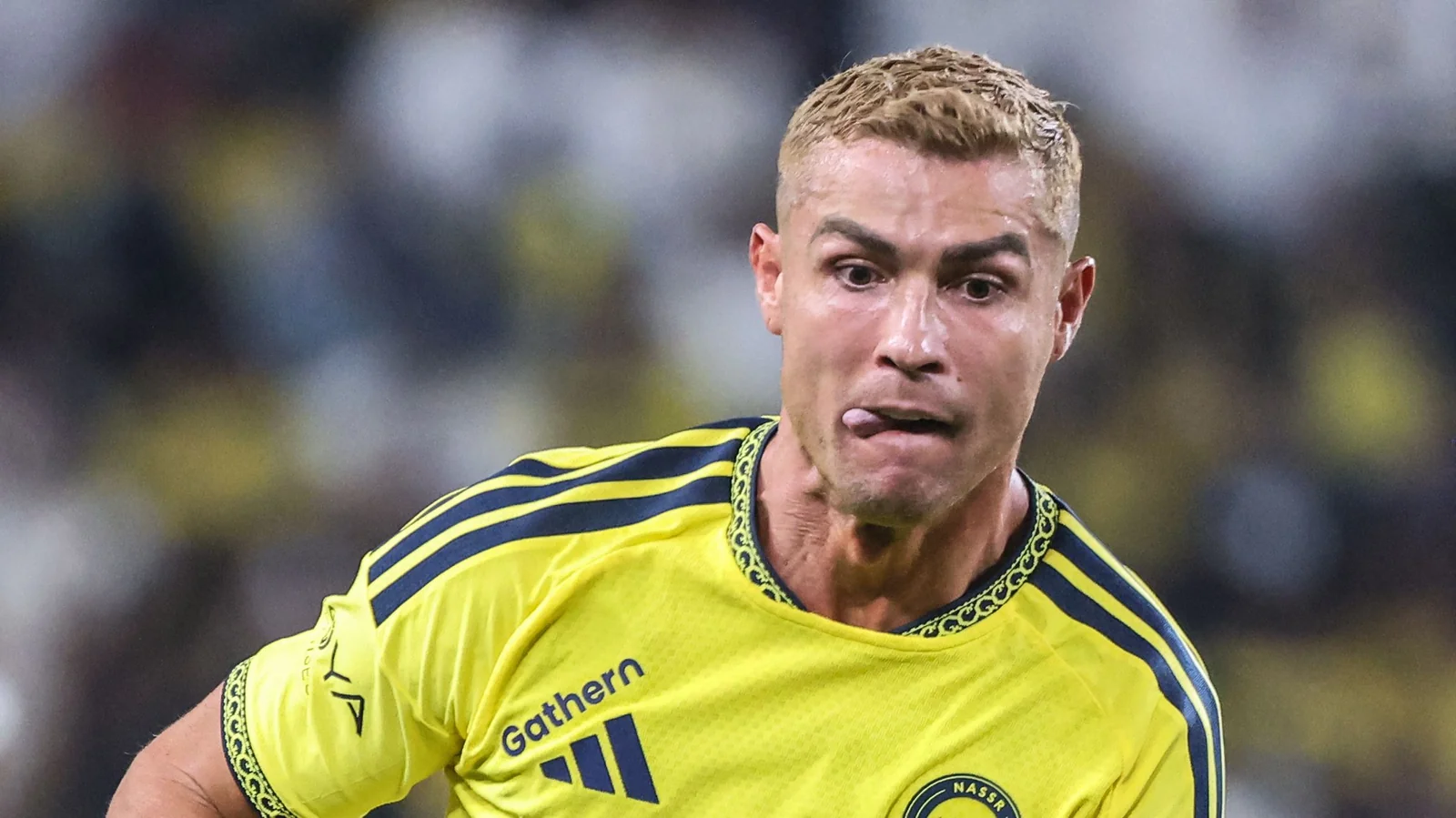 The current figure needs a clear definition. The Saudi Pro League reported that Cristiano Ronaldo reached 985 career goals after the Al Kholood hat-trick. A career-statistics tracker updated on 30 October also lists 985 goals in 1,343 senior appearances for club and country, with 291 assists. These figures count recognised senior football, not youth matches, unofficial exhibitions or every goal scored in an informal setting.
That distinction matters whenever a player approaches a historic round number. Football statistics are compiled by different organisations, and databases may apply different rules to historical competitions or update at different times. A total can briefly differ between platforms because of a delayed update or a review of who should receive credit for a goal. That does not automatically mean one source is deliberately wrong; it means the method and timing need to be understood.
A recent example involved Cristiano Ronaldo’s headed goal against Al Faisaly on 23 October. The ball took a deflection off defender Andrei Girotto, prompting discussion over scorer attribution. The goal was credited to Cristiano Ronaldo in the relevant updated tracking, taking him to 982 before the Al Kholood match. It is a reminder that a single disputed touch can affect a running tally when the record is being followed so closely.
The Football Xtra therefore uses the Saudi Pro League’s reported total of 985 as the reference point for this article. The focus keyword, Cristiano Ronaldo, is used in the context of this recognised senior-career figure. Any future update should be checked against the same counting method so that the article does not mix official senior goals with unofficial or differently classified matches.
The Cristiano Ronaldo total is best understood as a recognised senior competitive record, not an informal all-time count. That definition matters because a career tally combines goals scored in different roles, competitions and eras. A penalty in a domestic league, a header in European competition and a decisive international goal all count towards the total, but each arrives in a different competitive context. Readers deserve clarity about what is being counted before comparisons are made.
How Cristiano Ronaldo changed his game to keep scoring
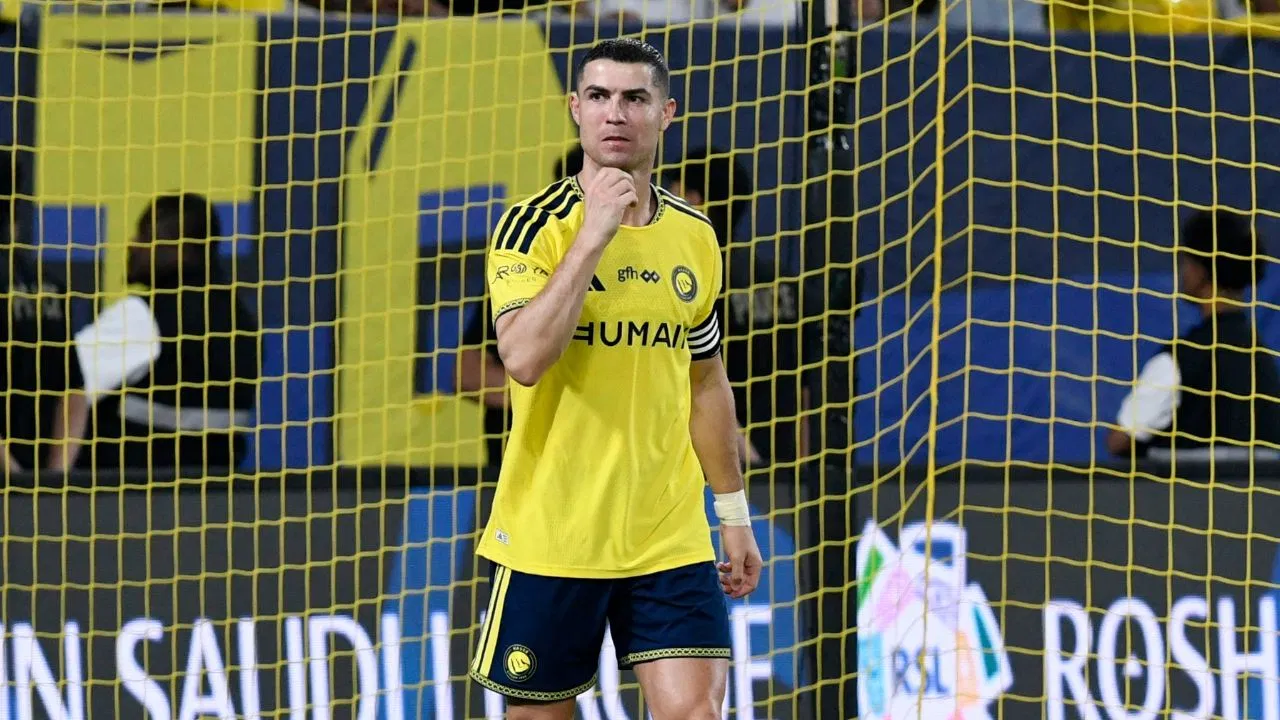 Cristiano Ronaldo’s longevity is not simply a story of refusing to age. It is also a story of adaptation. Early in his career, he was a wide attacker whose game depended on acceleration, dribbling, one-on-one situations and taking defenders out of the game. His role at Manchester United and especially during the early part of his Real Madrid career included frequent movement from the flank into shooting positions. Cristiano Ronaldo’s shift towards the centre did not happen overnight; it followed years of tactical adjustment.
As his career developed, he increasingly operated closer to goal. His game became more focused on penalty-area movement, timing, aerial ability and finishing with fewer touches. Cristiano Ronaldo’s evolution has allowed him to remain influential without needing to play every phase at maximum speed. This was not a sudden transformation. It was a gradual adjustment to the demands of elite football and to the physical changes that come with age. Cristiano Ronaldo learned to spend more of his energy on the actions most likely to produce goals.
That adaptation is central to the 1,000-goal pursuit. A younger winger may be expected to carry the ball over long distances, repeatedly attack full-backs and contribute to pressing over a wide area. The current Cristiano Ronaldo can conserve energy, read the position of centre-backs and choose when to accelerate into the box. He does not have to reproduce the style of the player who first became famous to remain effective.
His recent hat-trick illustrated this evolution. The first goal came from a well-timed run to meet a pass across the area. The second required timing, elevation and the ability to direct a header. The third came from anticipating the next phase of the attack and arriving in a dangerous position. Those are different skills, but they all depend on reading the game before the ball arrives.
Positioning is especially important for an older forward. A striker who makes too many unnecessary runs can lose the sharpness needed for the decisive moment. A striker who waits too deep can become disconnected from the attack. The balance is to remain close enough to threaten the defensive line without wasting energy chasing every pass. Cristiano Ronaldo’s role increasingly asks him to choose the right moments rather than participate in every phase.
There is also a psychological component. An elite scorer must continue asking for the ball after a missed chance, an offside decision or a physical challenge. The two disallowed first-half efforts against Al Kholood could have frustrated a less experienced attacker. Cristiano Ronaldo kept making runs and was rewarded after the break. That persistence does not guarantee goals, but it increases the likelihood that he remains involved in the next decisive action.
The wider lesson is that longevity at the top level requires a player to recognise what he can still do at an exceptional level and build a role around it. Cristiano Ronaldo’s development from winger to penalty-box specialist is one of the clearest examples of that process in modern football.
How Al Nassr can help Cristiano Ronaldo reach the milestone
An individual record is never achieved in isolation. Al Nassr’s tactical structure, the quality of their wide players and the timing of their final passes all influence the number of chances their captain receives. The Al Kholood match offered a clear example: João Félix supplied the first two assists, and Mané helped create the third. If the team can repeat that connection, Cristiano Ronaldo will continue to receive opportunities in high-value areas.
The first requirement is reliable chance creation from wide and inside channels. When Félix receives between the lines or in the half-space, he can play a pass into the area before defenders have time to reset. Wide players can stretch the back line, while midfielders can occupy defenders and prevent them from surrounding the striker. The aim should not be to force every attack towards Cristiano Ronaldo; it should be to create a balanced structure in which his movement is one of several threats.
The second requirement is good spacing. If the centre-forward drops too deep, Al Nassr can lose a target inside the box. If teammates occupy the same central lanes, defenders can mark multiple attackers with fewer players. The best service comes when one player threatens the near post, another attacks the far post and a third remains available for a cut-back. That structure gives Cristiano Ronaldo more than one route to attack the ball. For Cristiano Ronaldo, the quality of the final pass may matter more than the overall number of touches. Cristiano Ronaldo’s strength is his ability to identify the space that opens when those movements pull defenders away.
The third requirement is transition quality. Cristiano Ronaldo can be particularly dangerous when Al Nassr recover the ball and release an accurate forward pass before the opposition defence is organised. Many goals come before an opponent has completed its defensive shape. A quick recovery, an accurate forward pass and an early cross can create a one-versus-one or a short window in which the centre-back has to turn towards his own goal. A forward with Cristiano Ronaldo’s timing can exploit those moments, provided the passer releases the ball early enough.
Al Nassr must also avoid making the milestone a tactical obsession. The team cannot afford to ignore a better-positioned teammate simply because Cristiano Ronaldo is chasing 1,000. Such an approach would make the attack predictable and could reduce the team’s chance of winning. The best way to help Cristiano Ronaldo reach the target is to play effective football, create high-quality chances and allow the goals to come naturally.
This is where the coach’s management becomes important. Cristiano Ronaldo’s minutes, the choice of supporting attackers and the balance between possession and direct play all matter. Resting him in a less demanding fixture may preserve his energy for a decisive match. Keeping him on the pitch when the game is already settled may increase his opportunities, but it may also create unnecessary physical risk. The decision must consider both the team’s objectives and the player’s condition.
Can Cristiano Ronaldo reach 1,000 before the end of 2026?
The arithmetic is simple; the calendar is not. Cristiano Ronaldo needs 15 more goals. A career-statistics tracker updated on 30 October lists 28 goals in 42 senior appearances during 2026, a rate of approximately 0.67 per game. At that pace, he would need around 22 to 23 further appearances to score 15 times.
Separately, AS’s 30 October fixture analysis identified 11 scheduled Al Nassr fixtures remaining in the calendar year across the Saudi Pro League, AFC Champions League Elite and King’s Cup, with a possible additional Super Cup appearance. If he relies only on those 11 club matches, Cristiano Ronaldo would need approximately 1.36 goals per game to reach the target before 31 December. That is an exceptional rate, even for a player who has just scored a hat-trick.
There is an important difference between a mathematical possibility and a realistic forecast. A single hat-trick would reduce the remaining number from 15 to 12. Two more multi-goal performances could make the target look much closer. However, goals do not arrive at evenly spaced intervals. A striker can score four in two matches and then go three games without finding the net. A projection based on an average is a guide, not a promise.
International football could change the calculation, depending on Portugal’s schedule, selection decisions and Cristiano Ronaldo’s availability. However, reports on 30 October indicate uncertainty around his recent international involvement, including his absence from Portugal’s latest matches and a suspension issue. It would be misleading to assume that additional national-team appearances are guaranteed.
A more responsible forecast is that the 1,000-goal milestone is achievable during the continuing season, but a December finish is difficult to predict. Cristiano Ronaldo cannot control the calendar, but he can control his preparation and performance whenever he is selected. One more hat-trick would accelerate the timeline; a quiet spell, injury or reduced minutes could push it back. The milestone is close, but the date remains uncertain.
The next scheduled opportunity listed by a goal-tracking site is Al Nassr’s AFC Champions League Elite fixture against Pakhtakor on 2 November. That gives Cristiano Ronaldo another immediate chance to reduce the gap, although the opponent, travel and match conditions mean no goal should be assumed in advance. Each fixture is an opportunity, not a guarantee.
The Portugal question: club opportunities and international uncertainty
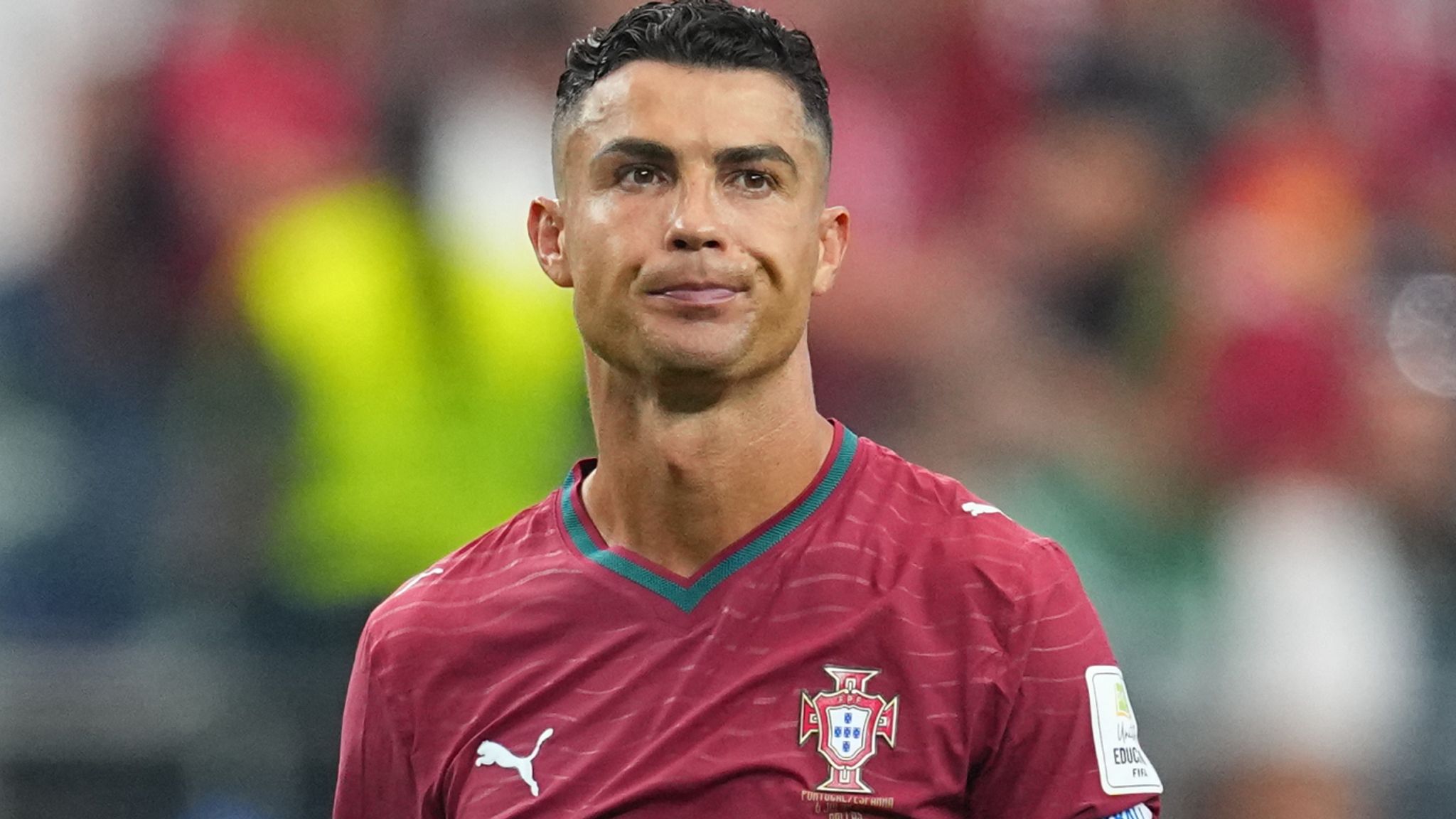 The route to 1,000 could be influenced by whether Cristiano Ronaldo returns to Portugal’s matchday plans during the final part of 2026. International fixtures would create additional opportunities, but selection cannot be assumed. Reports published around 30 October described uncertainty following recent tension involving national-team management, alongside Ronaldo’s absence from Portugal’s latest matches and a suspension issue.
SEE ALSO: Cristiano Ronaldo Portugal Exit: The End Of An Era Or A New Beginning For The Seleção?
That situation makes the calendar more complicated. If Cristiano Ronaldo is available for Portugal, he could gain further opportunities to reduce the gap without depending exclusively on Al Nassr’s remaining fixtures. If he is not selected or is unavailable, the club schedule becomes even more important. Either way, it would be wrong to count international appearances as guaranteed chances before the relevant squad and match arrangements are confirmed.
There is also a sporting question for Portugal. A player approaching 1,000 goals remains a major figure, but national-team selection must be based on tactical needs, fitness and the coach’s plans. Cristiano Ronaldo can still offer penalty-box instincts and experience, yet the team’s overall balance matters more than an individual’s countdown. Portugal must decide how best to use him if he returns, rather than simply building the attack around the milestone.
For the player, the balance between club and country is not new. Cristiano Ronaldo has spent much of his career moving between demanding club seasons and international tournaments. Managing travel, recovery and preparation will remain important, particularly at this stage of his career. A carefully controlled schedule could help him remain sharp when the decisive opportunities arrive.
The career record behind the headline
Cristiano Ronaldo’s goal total has been built across several distinct chapters. A career-statistics tracker updated on 30 October attributes his 985 goals across Portugal and five club teams. Real Madrid is his most productive club chapter, followed by Manchester United, Al Nassr, Juventus and Sporting CP.
Cristiano Ronaldo’s club-by-club record underlines how rare sustained scoring across several leagues can be. The same tracker credits him with 291 assists, an important reminder that his contribution has not been limited to finishing. The combined record of goals and assists reflects a player who has influenced the final action in attacks as both scorer and creator.
The timeline behind the totals is just as striking. The tracker records that Cristiano Ronaldo reached 500 career goals in 2015 and 900 in 2024. It also identifies 2013 as his most prolific calendar year, when he scored 69 goals for club and country. He scored at least 57 goals in each calendar year from 2011 through 2015, a five-year stretch that helps explain why his Real Madrid period remains such a defining chapter.
The current pursuit is not built only on a recent burst in Saudi Arabia; it is the latest stage of a scoring record that has been developing for more than two decades. Real Madrid accounts for 450 goals, a figure that reflects the extraordinary scoring peak he produced in Spain. Portugal’s 146 goals show how central he has been to the national team over multiple generations. His 145 goals across two Manchester United spells underline the importance of the club in both the beginning and later stages of his career. Al Nassr has already become another major contributor to the total.
These numbers also show why the milestone is different from a short-term scoring record. Cristiano Ronaldo has produced goals in England, Spain, Italy, Saudi Arabia and international football. Each environment brought different tactical demands, opponents and expectations. A player who moves between leagues must adapt to different defensive structures, match rhythms and teammates. Maintaining a high scoring rate across those changes is part of the achievement.
Real Madrid remains the standout period statistically. The tracker records 450 goals in 438 appearances, an average above one goal per match. That level of production is exceptionally difficult to sustain, and it explains why his years in Spain remain central to any assessment of his career. Yet the wider record matters because he continued adding goals after leaving Madrid rather than ending his elite scoring years there.
At Juventus, the challenge was to adapt to Italian football’s tactical and defensive demands. At Manchester United, he returned to a familiar club under different circumstances from his first spell. At Al Nassr, he entered a new league and became a central figure in the Saudi Pro League’s global profile. For Portugal, his scoring has spanned major tournaments and qualification campaigns. The 1,000-goal pursuit is therefore a record of continuity as much as peak performance.
Why the final 15 goals may be harder than the first 985
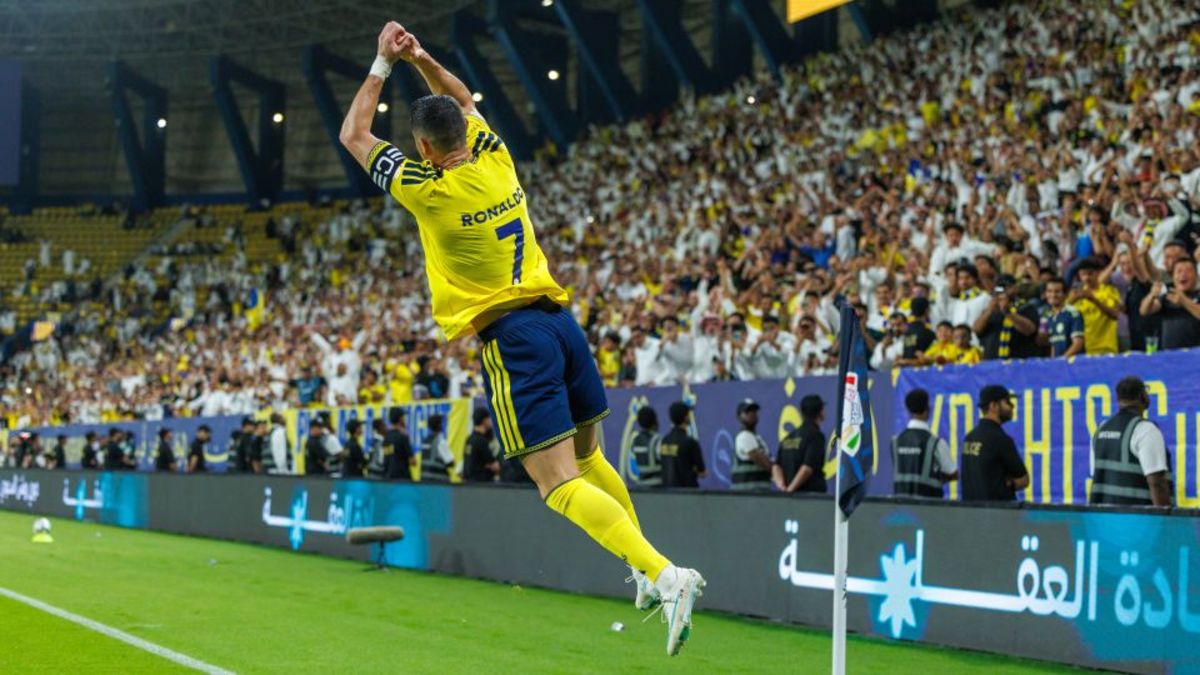 The closing stage of a long-term target can create psychological pressure. Every match carries a headline, every missed chance invites analysis and every goal changes the countdown. The attention can become a distraction if the player starts chasing the number instead of making the right decision for the team.
For Cristiano Ronaldo, the best route is to keep doing what has brought him this far: attack the penalty area intelligently, preserve his fitness and trust teammates to create chances. The Al Kholood performance showed that the finishing remains available. It did not prove that every match will produce three goals or that every opponent will allow the same spaces.
There are also physical realities. At 41, recovery between matches, muscle management and the accumulated workload of a long career require careful attention. Even a player with exceptional conditioning cannot completely escape the normal demands of age. Travel across competitions, changes in climate, training load and short recovery windows can influence how sharp a forward feels in the penalty area.
That makes squad rotation an important part of the story. Al Nassr must decide when Cristiano Ronaldo should start, when he can be rested and how to keep him effective across different competitions. The desire to reach 1,000 goals should not lead to reckless workload decisions. Cristiano Ronaldo’s recovery between matches is now part of the performance equation, not a separate concern. Missing one match may feel frustrating when the target is so close, but protecting his fitness could increase the chance of scoring in the matches that matter most.
There is also an opponent-specific challenge. Some teams will defend deep and crowd the penalty area, reducing the space Cristiano Ronaldo prefers to attack. Others may press high and leave room behind the defensive line. The tactical approach required in each match will differ. Against a low block, Al Nassr may need patient circulation and cut-backs; against a high line, early passes into space can be more effective.
Cristiano Ronaldo’s teammates also have to remain composed when he is close to the record. A pass should be made when it is the best footballing option, not simply because the captain is nearing a milestone. If a teammate is in a better position to shoot, the team should take the chance. A collective approach will give Al Nassr a better chance of winning and will ultimately create a healthier environment for the record pursuit.
Why the next goal matters as much as the thousandth
The record chase can make the final goal appear more important than every other one, but the progress will be built one match at a time. The next goal would take Cristiano Ronaldo to 986; a brace would make it 987; another hat-trick would leave the target within 12. That simple countdown gives each appearance a narrative, but it should not change the basic requirements of good forward play.
A striker must still choose when to shoot, when to pass and when to make a run that creates space for somebody else. Cristiano Ronaldo must keep making those decisions for the team’s benefit, even when every goal is being measured against the record. If Cristiano Ronaldo tries to force an attempt from a poor position because he is thinking about the record, he may reduce his team’s chances of scoring. If he remains patient and attacks the right spaces, the goals are more likely to arrive as a consequence of good decisions.
The same principle applies to his teammates. They should look for him when he is the best option, but they should not ignore a clear opportunity elsewhere. A team that becomes predictable is easier to defend, and opponents will gladly use the milestone as a reason to crowd Ronaldo out of the game. Al Nassr need variety, movement and collective discipline as much as they need their captain’s finishing.
This is why the final 15 goals may test his football intelligence as much as his technique. Cristiano Ronaldo has already shown that he can score in different ways; the remaining challenge is to keep choosing the right action in matches where every touch may be discussed as part of history. His calmness and decision-making will be important if the countdown begins to dominate the atmosphere around the team.
The commercial impact of the 1,000-goal countdown
The race to 1,000 goals is also a major commercial story for Al Nassr and the Saudi Pro League. A record pursued by a globally recognised player attracts attention beyond the competition’s regular audience. Every milestone creates new opportunities for broadcasters, digital platforms, sponsors and the club’s international media channels to bring viewers into the league.
For Al Nassr, Cristiano Ronaldo is both a footballer and a global point of recognition. His presence gives international audiences a familiar name through which to discover the club, its stadium, its teammates and the Saudi Pro League. A historic milestone can deepen that attention, but the club must convert curiosity into sustained interest in the competition itself. The strongest outcome would be for supporters who arrive to watch Cristiano Ronaldo also to become interested in Al Nassr’s wider project and the quality of its football.
There is a potential risk in making the record the whole story. If every match is promoted only as another step towards 1,000, the team can become secondary in the public narrative. Al Nassr should present the milestone as part of a broader sporting journey: a forward continuing to score while the club competes for trophies. Cristiano Ronaldo’s achievements can attract the audience, while team performances give that audience a reason to stay.
The Saudi Pro League also benefits when a major individual milestone is discussed in the context of competitive football. Cristiano Ronaldo’s achievements give the league a global talking point, but competitive quality must sustain that interest. The league’s credibility is strengthened when attention is supported by genuine match quality, meaningful competition and strong clubs. Cristiano Ronaldo’s presence can attract attention, but football quality has to retain it. Cristiano Ronaldo’s goals may bring the headlines, but the sporting environment around those goals determines whether the interest lasts beyond the countdown.
The larger lesson: longevity through reinvention
The most valuable part of Cristiano Ronaldo’s pursuit may ultimately be what it teaches about career reinvention. Elite football increasingly asks players to adapt to changes in pace, pressing systems, physical preparation and tactical responsibilities. A player who relies entirely on the attributes that made him successful at 20 can struggle when those qualities change. A player who finds a new way to contribute can extend his influence.
Cristiano Ronaldo has moved from a winger who often started wide to a forward whose most important work happens in and around the penalty area. He has learned to conserve energy, improve his timing and focus on actions with a direct route to goal. That does not mean he has stopped working for the team; it means his work is more specialised. His movement can occupy defenders, open channels for teammates and turn a single accurate delivery into a scoring chance. Cristiano Ronaldo’s positioning remains one of Al Nassr’s most important attacking weapons.
The next generation can learn from that process without needing to copy his exact style. The lesson is not that every young player should become a penalty-box striker. It is that elite performance requires self-awareness: understanding strengths, acknowledging limitations and adjusting the role before physical changes make the adjustment unavoidable. Cristiano Ronaldo’s career offers a high-profile example of that principle.
The 1,000-goal target is therefore both a number and a story about adaptation. Cristiano Ronaldo’s journey shows that a player’s role can change without ending his influence. Cristiano Ronaldo is close because he has continued to find ways to score in different environments. Whether the final 15 arrive in 2026 or 2027, the method behind the pursuit may be as interesting as the milestone itself.
What 1,000 goals would mean for football history
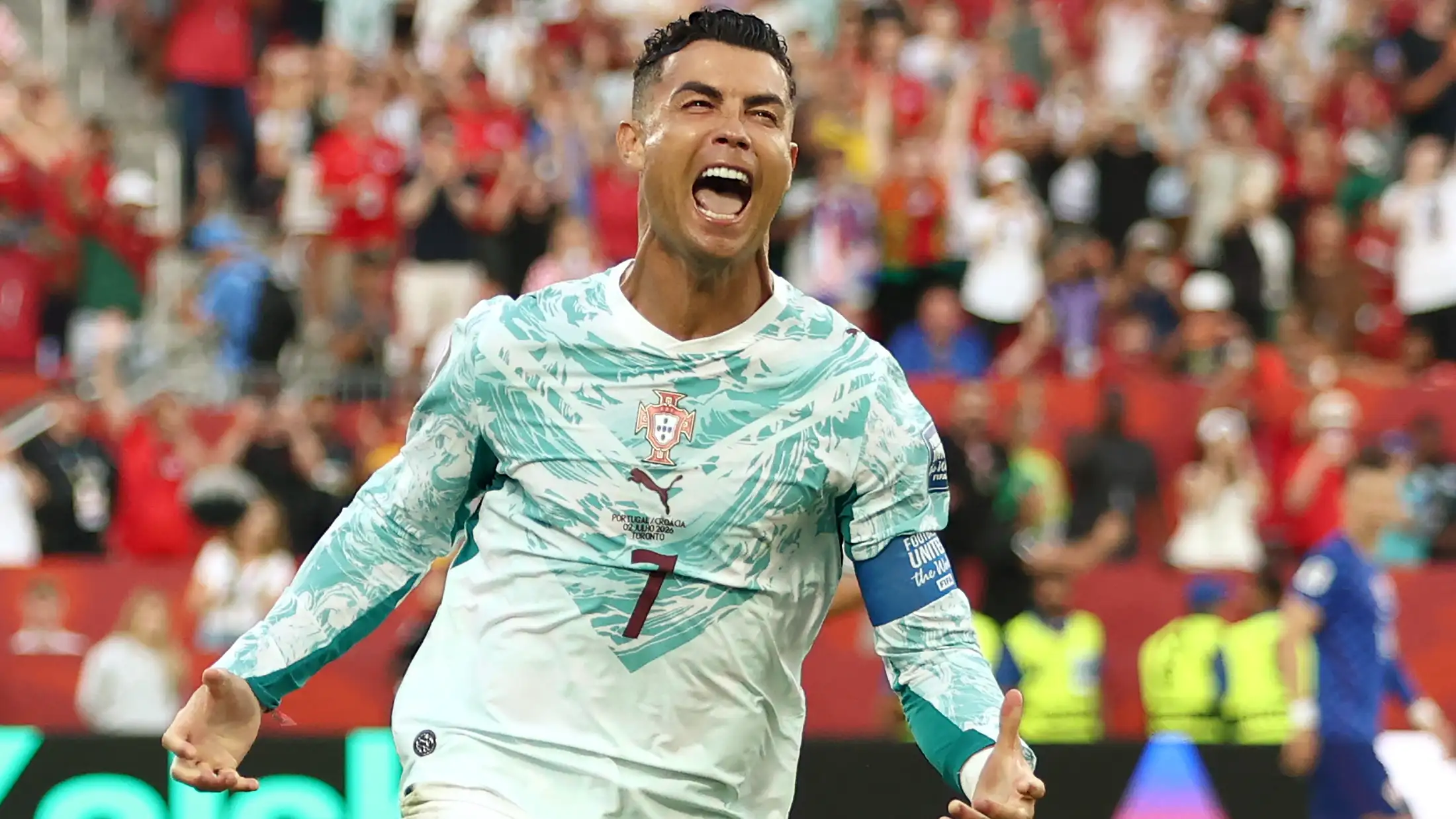 A thousand recognised senior goals would be a landmark because it requires more than one prolific season or a short period at the peak of a player’s physical powers. For Cristiano Ronaldo, it would be the reward for sustained excellence across different football generations. It would require sustained production, motivation, adaptation to changing roles and the ability to remain relevant in different teams and competitions. Cristiano Ronaldo would reach that mark through more than two decades of elite-level football.
The milestone would also have cultural significance. Cristiano Ronaldo has become a reference point for several generations of football supporters, and the countdown gives fans a shared story around which to revisit memories and debate his place in the sport. Reaching four figures would become one of the defining images of an already historic career, regardless of the club or competition in which the final goal arrives.
Still, the number should not become the only measure of greatness. Football legacies include trophies, performances in decisive matches, quality of opposition, influence on teammates, leadership and the ability to deliver under pressure. Different eras also make direct statistical comparisons difficult. Some historical competitions were recorded differently, and not every database applies identical criteria. A serious discussion must recognise those differences.
What the number would demonstrate most clearly is consistency. Cristiano Ronaldo has remained a goalscorer through changes of manager, team, country and playing role. He has had to adjust his movement, his physical preparation and his contribution to build-up play while retaining the instinct to finish. The four-figure mark would represent the cumulative outcome of those adjustments.
It would also create a new reference point for future generations. Young forwards could study not only his finishing technique but also how he adapted his game as his physical profile changed. Coaches could examine how a penalty-box specialist creates value without needing to dominate every area of the pitch. Supporters could debate the record in the context of a career that has stretched across more than two decades.
What’s next for Cristiano Ronaldo and Al Nassr?
The immediate challenge is consistency. Al Nassr need to keep collecting points, and Cristiano Ronaldo needs to remain fit and effective across a busy schedule. The next fixture against Pakhtakor, listed for 2 November, provides another opportunity to move closer to the target. For Cristiano Ronaldo, it is another test of consistency rather than a guaranteed step towards a goal. However, the priority for the club remains a strong team performance and a result that supports its wider ambitions.
The Al Kholood hat-trick has made the countdown more dramatic, but the best approach is to focus on the next match rather than the final number. Al Nassr must keep creating high-quality chances, and Cristiano Ronaldo must continue making intelligent runs, managing his energy and finishing when the opportunity arrives. If those elements remain in place, the milestone will become increasingly realistic.
Fifteen goals are close enough to make every appearance significant, but far enough to require patience. The 1,000-goal milestone could arrive during the continuing season, yet the calendar makes a finish before 2027 a demanding target. Whatever the date, the achievement will be most meaningful if it comes while Al Nassr continue to compete for team honours.
Cristiano Ronaldo has spent more than two decades turning extraordinary expectations into measurable achievements. Now, with 985 recognised senior goals, he is approaching one of the most remarkable milestones in football. The final 15 may be the most closely watched goals of his career—not just because of the number, but because they will test the durability, adaptability and competitive instinct that have defined his journey.
Can Cristiano Ronaldo reach 1,000 goals before the end of 2026, or will history have to wait until 2027? Share your prediction in the comments and follow The Football Xtra for more in-depth football analysis.